-
Ganesh Talkies, Kolkata
Ganesh Talkies, Kolkata
MeghaKhanna
20.05.2026
Postnatal care is not optional—it is essential for a mother’s physical recovery, emotional balance, and long-term health after childbirth learn from lady gynecologist. From healing after delivery to managing breastfeeding, hormonal changes, and mental well-being, the right medical support during this phase ensures both mother and baby thrive safely and confidently. Postnatal care focuses on a mother’s recovery after childbirth, addressing physical healing, emotional health, nutrition, and newborn care. According to the best lady gynecologist in Kolkata, timely postnatal check-ups help prevent complications, support breastfeeding, detect postpartum depression early, and ensure a smooth transition into motherhood with medical guidance and reassurance. Why Is Postnatal Care Important for Mothers? What Does Postnatal Care Include? Medical Monitoring Emotional & Mental Health SupportBreastfeeding & Lactation GuidancePostnatal Mental Health: A Critical Yet Overlooked AreaPostnatal Care Timeline How Postnatal Care Supports Baby’s Health?Nutrition & Lifestyle After DeliveryKey Recommendations:Dr Megha KhannaWhy Choose the Best Lady Gynecologist in Kolkata for Postnatal Care?Final ThoughtFAQs Why Is Postnatal Care Important for Mothers? Postnatal care is important for mothers because childbirth places immense physical and emotional stress on the body. Hormonal shifts, blood loss, uterine healing, breastfeeding challenges, and sleep deprivation can affect recovery. The best lady gynecologist in Kolkata emphasizes structured postnatal care to reduce infections, manage pain, stabilize mental health, and promote long-term reproductive wellness. What Does Postnatal Care Include? Medical Monitoring Uterine involution (uterus returning to normal size) Blood pressure and anemia screening C-section or episiotomy wound care Emotional & Mental Health Support Screening for postpartum depression and anxiety Counseling and emotional reassurance Sleep and stress management Breastfeeding & Lactation Guidance Proper latching techniques Managing engorgement or mastitis Milk supply assessment Postnatal Mental Health: A Critical Yet Overlooked Area Many women silently suffer from mood swings, anxiety, or postpartum depression. A trusted best lady obstetrician in Kolkata plays a crucial role in identifying early warning signs and providing timely intervention, therapy referrals, and family counseling—ensuring emotional stability during the postpartum phase. Postnatal Care Timeline Time After DeliveryMedical Focus AreaFirst 24–48 hoursBleeding, vitals, breastfeeding1–2 weeksWound healing, pain management6 weeksHormonal balance, contraception3–6 monthsMental health, nutrition, recovery How Postnatal Care Supports Baby’s Health? Ensures effective breastfeeding Helps monitor newborn weight gain Educates mothers on infant hygiene and sleep Reduces infant illness through maternal wellness Healthy mothers raise healthier babies—this is why the best lady gynecologist in Kolkata considers postnatal care a dual-benefit medical responsibility. Nutrition & Lifestyle After Delivery Key Recommendations: Iron-rich diet to...
MeghaKhanna
15.05.2026
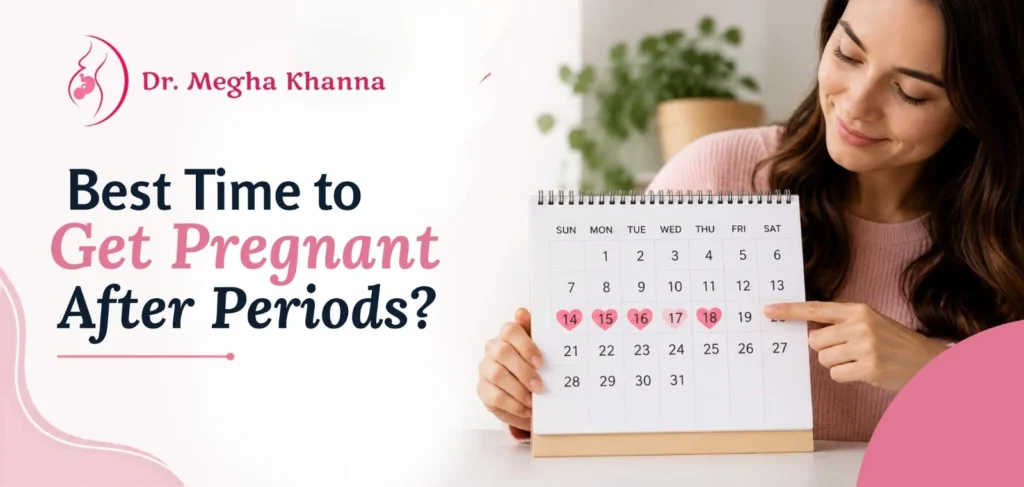
The best time to get pregnant after your period is during ovulation, when the ovary releases an egg. This fertile window usually falls a few days after menstruation ends and offers the highest chance of conception. Knowing your cycle helps you plan pregnancy naturally and confidently. The best lady gynecologist in Kolkata advises that when is the most fertile time after periods depends on ovulation, cycle length, and hormonal balance, making expert guidance crucial for natural conception. When Is the Best Time to Get Pregnant After Your Period?How Ovulation Determines Pregnancy Chances?Signs Your Body Is OvulatingCycle Length and Fertility Window ExplainedRole of Hormones in Getting PregnantLifestyle Factors That Improve FertilityCommon Mistakes Couples Make While Trying to ConceiveWhen Should You See a Gynecologist?Expert Insight by Dr Megha KhannaWhy Choose the Best Lady Gynecologist in Kolkata for Fertility Care?Best Time to Get Pregnant After Periods Fertility Timing Table (Easy to Understand)Tips to Improve Pregnancy ChancesCommon Myths About Getting Pregnant After PeriodsHow to Identify Your Fertile Days?FAQs When Is the Best Time to Get Pregnant After Your Period? Understanding fertility timing is easier with guidance from the best lady gynecologist in Kolkata, who explains how ovulation works and why mid-cycle days matter most. Many women ask when is the most fertile time after periods?—the answer lies in tracking cycles, hormonal changes, and overall reproductive health for better conception outcomes. When Is the Most Fertile Time After Periods? The most fertile time after periods usually occurs 12–16 days before your next period, counted from the first day of your last menstrual cycle. For women with a 28-day cycle, ovulation often happens around day 14, making days 10–15 the prime fertility window. This is when sperm can survive and successfully fertilize the egg. Ovulation does not always occur on the same day every month. Stress, lifestyle, weight changes, thyroid issues, and conditions like PCOS can delay or prevent ovulation. That is why consulting the best lady gynecologist in Kolkata is recommended when planning pregnancy. How Ovulation Determines Pregnancy Chances? Ovulation is the biological event where a mature egg is released from the ovary. The egg survives for about 24 hours, while sperm can live inside the female reproductive tract for up to 5 days. This creates a fertile window of nearly 6 days, which is the best time to conceive. Doctors emphasize that intercourse 2–3 days before ovulation and on the day of ovulation gives the...
MeghaKhanna
09.05.2026
Know normal changes after childbirth recovery. Pregnancy and childbirth bring major physical and hormonal changes to a woman’s body. After delivery, the uterus gradually heals and returns to its normal size. Consulting the best lady gynecologist in Kolkata helps new mothers understand recovery symptoms, warning signs, and proper postpartum care for long-term reproductive health. According to Dr. Megha Khanna, postpartum uterine recovery varies for every woman depending on delivery type, hormonal balance, overall health, and pregnancy complications. Early medical guidance can help mothers recover safely and confidently. Why Should New Mothers Monitor Uterus Health After Delivery?Common Postpartum Uterus ChangesWhat Happens to the Uterus After Childbirth?Best Gynecologist for Postpartum Uterus CareImportance of Postpartum Gynecological CareWhy Is the Uterus Larger After Pregnancy?Normal Uterus Recovery TimelineHow Does Vaginal Bleeding Change After Delivery?Stages of LochiaLochia RubraLochia SerosaLochia AlbaWhen to Seek Medical HelpCan Childbirth Cause Fibroids or Uterine Problems?Common Postpartum Uterine ConditionsBest Lady Gynecologist in Kolkata for Postpartum RecoveryBenefits of Consulting a SpecialistHow Does Breastfeeding Affect the Uterus?Benefits of Breastfeeding for Uterine RecoveryWhat Foods Support Uterus Healing After Delivery?Best Foods for Uterine RecoveryHow Can Women Strengthen Pelvic Floor Muscles After Delivery?Pelvic Floor Recovery TipsCan Cesarean Delivery Affect Uterus Recovery?C-Section Recovery ChallengesLaparoscopic Myomectomy Surgeon in Kolkata for Fibroid CareBenefits of Laparoscopic MyomectomyHow Do Hormones Affect Emotional Health After Delivery?Common Emotional SymptomsWhat Warning Signs Should New Mothers Never Ignore?Red Flag SymptomsHow Can Women Improve Postpartum Recovery Naturally?Natural Recovery TipsWhat Is the Role of Minimally Invasive Gynecology in Women’s Health?Advantages of Minimally Invasive GynecologyFrequently Asked Questions About Uterus Recovery After DeliveryAt Last Say Why Should New Mothers Monitor Uterus Health After Delivery? After childbirth, the uterus undergoes a natural healing process called uterine involution. During this period, the uterus shrinks back to its pre-pregnancy size learn from best lady gynecologist. While mild pain, bleeding, and cramping are normal, some symptoms may require immediate medical attention. Regular checkups with the best lady gynecologist in Kolkata help detect postpartum complications early and ensure proper healing. Common Postpartum Uterus Changes Uterine shrinking after childbirth Mild abdominal cramping Vaginal bleeding or lochia Hormonal fluctuations Pelvic discomfort Temporary weakness in pelvic muscles Breastfeeding-related uterine contractions These changes are generally normal and improve gradually over several weeks. What Happens to the Uterus After Childbirth? After childbirth, the uterus contracts and reduces in size through a natural process known as involution. The uterus, which expands significantly during pregnancy, slowly returns to its original position within...
MeghaKhanna
05.05.2026
Indigestion during pregnancy is common due to hormonal changes and pressure on the stomach. Simple home remedies like small meals, avoiding spicy foods, and staying upright can help reduce discomfort. Safe, natural methods often provide effective relief and improve daily comfort for expecting mothers. The best lady gynecologist in Kolkata often advises simple lifestyle changes to manage acidity. If you're asking, how can you relieve heartburn naturally while pregnant?natural remedies like diet control, posture, and hydration play a crucial role in reducing discomfort safely. Table of ContentsWhat Are the Safest Ways to Quickly Reduce Pregnancy Heartburn?Heartburn in Pregnancy: Causes, Relief & Safe ManagementHow can you relieve heartburn naturally while pregnant?Why Does Heartburn Occur During Pregnancy?Common CausesBest Lady Gynecologist in Kolkata Recommends These RemediesNatural Relief TipsHow Can You Relieve Heartburn Naturally While Pregnant?Safe Home RemediesCare Tips by Dr Megha KhanaExpert Advice for MothersWhen to See a DoctorFoods to AvoidFoods That HelpLifestyle Tips for ReliefConclusionFAQ What Are the Safest Ways to Quickly Reduce Pregnancy Heartburn? Sourstomach during pregnancy is mainly caused by hormonal changes that relax the valve between the stomach and esophagus, along with the growing uterus putting pressure on the stomach. While it can be uncomfortable, there are several safe and effective ways to get fast relief. One of the quickest methods is adjusting eating habits. Eating smaller, more frequent meals instead of large portions helps prevent stomach overload. Avoiding spicy, oily, and acidic foods can also reduce irritation. Drinking water in small sips rather than large amounts at once may help ease symptoms. Keeping your upper body elevated after meals is another effective strategy. Sitting upright or gently walking for 10–15 minutes can support digestion and reduce acid reflux. Sleeping with your head slightly raised can also prevent nighttime discomfort. Heartburn in Pregnancy: Causes, Relief & Safe Management Acid indigestion during pregnancy is a common digestive concern caused mainly by hormonal changes and increased pressure on the stomach. As pregnancy progresses, the hormone progesterone relaxes the lower esophageal sphincter, allowing stomach acid to flow back into the food pipe, leading to a burning sensation in the chest or throat. Another key factor is the growing uterus, which pushes against the stomach and slows down digestion, increasing acidity and discomfort. This condition is especially common in the second and third trimesters. Safe relief strategies focus on lifestyle and dietary adjustments. Eating small, frequent meals instead of large portions helps reduce...

29.06.2026