-
Ganesh Talkies, Kolkata
Ganesh Talkies, Kolkata
MeghaKhanna
29.06.2026
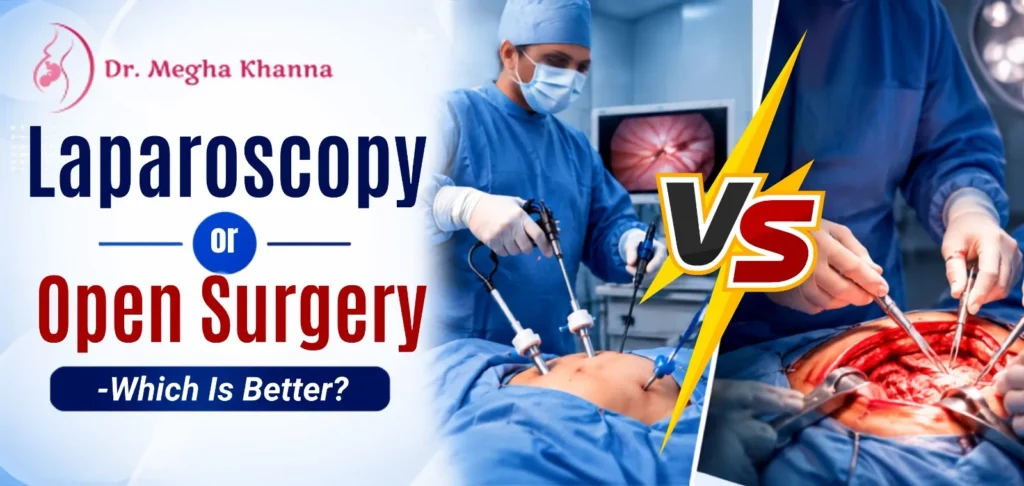
Modern surgical options have transformed women’s healthcare. Understanding the right approach helps ensure safer procedures, faster recovery, and better outcomes. Choosing the right surgical method is crucial for women’s health. Under the guidance of the best lady gynecologist in Kolkata, patients today compare minimally invasive laparoscopy with traditional open surgery. Understanding laparoscopy vs open surgery pros and cons helps women make informed, confident decisions for safer treatment and quicker healing. The best lady gynecologist in Kolkata evaluates the patient’s condition, diagnosis, age, fertility goals, and recovery needs before recommending surgery. This blog serves as a pillar page, supported by cluster sections explaining techniques, benefits, risks, and recovery—building complete topical authority. Which Surgical Option Offers Safer Outcomes and Faster Recovery? Choosing between laparoscopy and open surgery depends on medical condition, overall health, and surgical goals. Laparoscopy is a minimally invasive technique that uses small incisions, resulting in less tissue damage, reduced pain, and shorter hospital stays. Patients often experience quicker recovery, minimal scarring, and a faster return to daily activities, making it a preferred option for many gynecological and abdominal procedures. Open surgery, however, remains essential in complex cases where extensive access and visibility are required. Large tumors, severe infections, advanced endometriosis, or emergency situations may be better managed through traditional surgery. Open procedures allow surgeons greater control and direct access, which can improve safety and surgical precision in high-risk conditions. The decision is not about which method is universally better, but which approach is most appropriate for the individual patient. Factors such as surgical complexity, previous operations, and the surgeon’s expertise play a critical role. A personalized evaluation ensures optimal outcomes, balancing recovery time, effectiveness, and long-term health benefits. Which Surgical Option Offers Safer Outcomes and Faster Recovery?Understanding Laparoscopy and Traditional Surgery What Is Laparoscopic Surgery?What Is Traditional (Open) Surgery?Is Laparoscopy Better Than Traditional Open Surgery?Laparoscopy vs Open Surgery Pros and ConsWhen Do Gynecologists Prefer Laparoscopy?Recovery ComparisonPost-Surgery Recovery & Care Myths About Laparoscopic Surgery Final ThoughtFAQ Understanding Laparoscopy and Traditional Surgery What Is Laparoscopic Surgery? Minimally invasive Small keyhole incisions Camera-guided precision Less tissue damage What Is Traditional (Open) Surgery? Larger incision Direct organ access Used in complex or emergency cases Both are effective when chosen correctly. Women seeking advanced surgical care often consult Dr Megha Khanna, known for evidence-based decision-making, patient education, and ethical practice. Is Laparoscopy Better Than Traditional Open Surgery? Is laparoscopy better than traditional open surgery? In most planned...
MeghaKhanna
23.06.2026
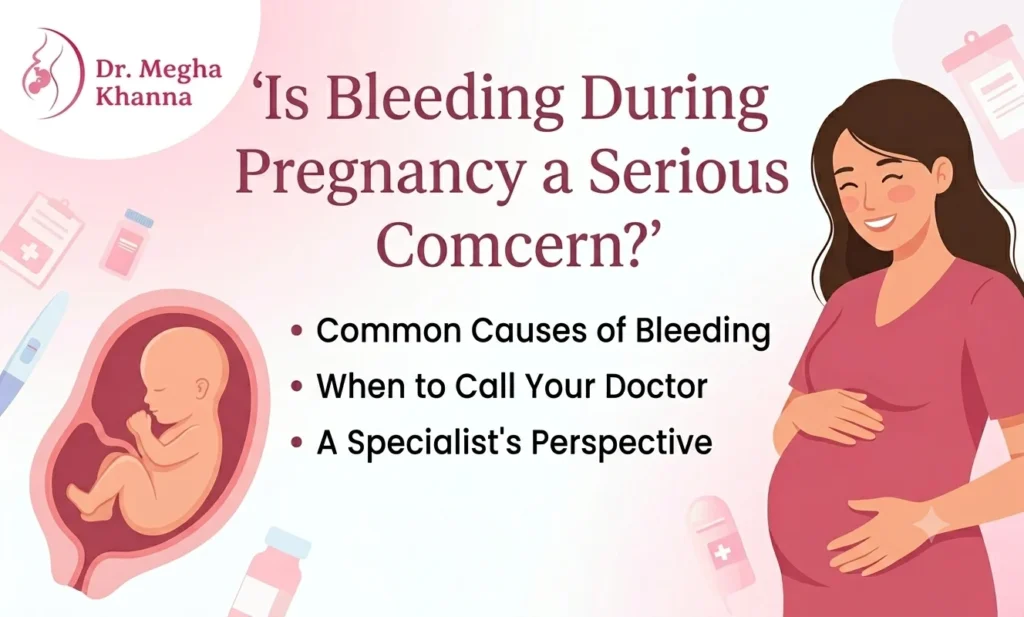
Bleeding during pregnancy often causes fear and confusion. Many expectant mothers ask, is bleeding during pregnancy dangerous? While some spotting can be harmless, other cases need urgent care. Early evaluation by the Best Lady Gynecologist in Kolkata helps identify causes, protect maternal health, and ensure baby’s safety through timely treatment. Any bleeding during pregnancy—light or heavy—should be assessed by the Best Lady Obstetrician in Kolkata to rule out complications and ensure safe pregnancy outcomes with expert monitoring and guidance. Understanding Bleeding During Pregnancy Is Bleeding During Pregnancy Dangerous?Common Causes of Bleeding During PregnancyFirst TrimesterSecond & Third TrimesterWarning Signs That Need Immediate Medical HelpDiagnosis & EvaluationTreatment Options (Based on Cause)Bleeding During Pregnancy: Expert Care by Dr Megha KhannaConclusion FAQs Understanding Bleeding During Pregnancy Bleeding during pregnancy can occur in the first, second, or third trimester. Causes range from implantation bleeding to serious conditions like placental problems. Knowing that bleeding during pregnancy is dangerous depends on timing, amount, pain, and associated symptoms. Early diagnosis reduces the risk of serious complications. . Is Bleeding During Pregnancy Dangerous? Bleeding can be normal or dangerous, depending on the cause: Light spotting in early pregnancy may be normal. Severe bleeding accompanied by pain may indicate a miscarriage or ectopic pregnancy. Late-pregnancy bleeding may indicate placental issues Never ignore bleeding—prompt medical advice matters. Common Causes of Bleeding During Pregnancy First Trimester Implantation bleeding Hormonal changes Miscarriage Ectopic pregnancy Second & Third Trimester Placenta previa Placental abruption Cervical changes Preterm labour Warning Signs That Need Immediate Medical Help Seek urgent care if bleeding is accompanied by: Severe abdominal pain Dizziness or fainting Fever or chills Heavy bleeding with clots Reduced fetal movements Consulting the Best Lady Gynecologist in Kolkata ensures quick intervention and fetal monitoring. Diagnosis & Evaluation Doctors may recommend: Ultrasound imaging Blood tests (hCG, haemoglobin) Pelvic examination Fetal heart rate monitoring Accurate diagnosis helps determine whether bleeding is harmless or serious. Treatment Options (Based on Cause) Bed rest and observation Hormonal support Medications to control bleeding Hospitalisation in high-risk cases Emergency intervention if required Treatment is always individualised to protect both mother and baby. Bleeding During Pregnancy: TrimesterCommon CauseRisk LevelFirstImplantationLowFirstMiscarriageHighSecondPlacental issuesModerate–HighThirdPlacental abruptionEmergency Expert Care by Dr Megha Khanna Care under Dr Megha Khanna focuses on compassionate, evidence-based management of high-risk and normal pregnancies. Her clinical expertise helps expectant mothers navigate bleeding episodes safely with personalised care plans. Conclusion Bleeding during pregnancy should never be ignored. Understanding that bleeding during...
MeghaKhanna
15.06.2026
Vaginal estrogen is a localized hormone therapy commonly used to relieve symptoms associated with menopause and low estrogen levels. It helps improve vaginal health, comfort, and quality of life while delivering minimal systemic hormone exposure learn from best lady gynecologist. Understanding its benefits, uses, safety, and effectiveness can help women make informed decisions about their reproductive and menopausal health. Women experiencing vaginal dryness, discomfort, and urinary symptoms often seek guidance from the best gynecologist for effective treatment options. A best gynecologist in Kolkata may recommend vaginal estrogen therapy to address menopause-related changes, improve vaginal health, and enhance daily comfort. Understanding the benefits, risks, and appropriate use of vaginal estrogen helps women make informed healthcare decisions. Understanding Vaginal Estrogen Therapy learn from Best Lady GynecologistCommon Forms of Vaginal EstrogenWhat Is Vaginal Estrogen?It Works By:Why Estrogen Levels Decline?Common CausesNatural MenopauseSurgical MenopauseBreastfeedingCancer TreatmentsPremature Ovarian Insufficiency3. Improves Vaginal Tissue HealthPositive Effects5 Benefits of Vaginal Estrogen1. Relieves Vaginal DrynessSymptoms ImprovedWhy Does It Matters?2. Reduces Pain During IntercourseBenefits Include4. Supports Urinary HealthPotential Improvements5. Enhances Quality of LifeBenefits May IncludeDoes Vaginal Estrogen Help With Vaginal Dryness?Symptoms That May Indicate Low Vaginal Estrogen Learn from Best Lady GynecologistWho May Benefit From Vaginal Estrogen learn from Best Lady Gynecologist?Vaginal Estrogen vs Systemic Hormone Therapy learn from Best Lady GynecologistTypes of Vaginal Estrogen ProductsAdvantagesConsiderationsVaginal TabletAdvantagesConsiderationsVaginal RingAdvantagesConsiderationsHow quickly does vaginal estrogen start working learn from Best Lady Gynecologist?Typical TimelineSafety of Vaginal EstrogenImportant ConsiderationsPossible Side EffectsMild Side EffectsRare ConcernsLifestyle Tips to Support Vaginal HealthStay HydratedFoods That Support Women's Hormonal HealthRecommended ChoicesNutrients of InterestWhen Should You Consult a Gynecologist?Dr Megha KhannaExpert Guidance for Women's HealthPoint-Wise Summary of Vaginal Estrogen BenefitsBenefits of Vaginal Estrogen at a GlanceConclusionFrequently Asked Questions Understanding Vaginal Estrogen Therapy learn from Best Lady Gynecologist Vaginal estrogen is a low-dose estrogen treatment applied directly inside the vagina. Unlike systemic hormone replacement therapy (HRT), it primarily targets local tissues and symptoms. Common Forms of Vaginal Estrogen Vaginal cream Vaginal tablet Vaginal suppository Vaginal ring These treatments help restore estrogen levels in vaginal tissues, improving lubrication, elasticity, and overall vaginal health. What Is Vaginal Estrogen? Vaginal estrogen is a localized hormone therapy designed to treat symptoms caused by declining estrogen levels, particularly during menopause and postmenopause. It Works By: Restoring vaginal tissue thickness Improving natural lubrication Increasing blood flow Supporting tissue elasticity Enhancing urinary tract health Why Estrogen Levels Decline? Several factors can reduce estrogen production. Common Causes Natural Menopause The most common...
Admin
11.06.2026
Hello Reader! Welcome to the blog page of Dr. Megha Khanna, one of the best lady gynecologist in Kolkata. The period following childbirth is one of the most important phases in a woman's life. While pregnancy and delivery often receive significant attention, the care provided after childbirth is equally essential for both the mother and the baby. This crucial phase is known as Postnatal Care for Mothers and newborns. Postnatal care focuses on monitoring the physical, emotional, and psychological well-being of the mother while ensuring the healthy growth and development of the newborn. Proper postnatal care helps prevent complications, promotes faster recovery, and supports successful breastfeeding and newborn care. As a best lady gynecologist in Kolkata, Dr. Megha Khanna emphasizes that comprehensive postnatal care is vital for ensuring a healthy transition into motherhood and providing the best possible start for the baby. Understanding Postnatal CareWhy is Postnatal Care Important?Prevent Postpartum ComplicationsSupport Physical RecoveryPromote Mental HealthEncourage Successful BreastfeedingWhen should a mother schedule her first postnatal check-up Key Timing Guidelines:Important Notes:Building Confidence as a First-Time MotherEssential Components of Postnatal Care for MothersPhysical Health AssessmentNutritional GuidanceEmotional and Psychological SupportFamily Planning and ContraceptionPostnatal Care for NewbornsRegular Health MonitoringVaccinationsFeeding SupportHygiene and Cord CareWarning Signs Mothers Should Never IgnorePostnatal Care for High-Risk MothersImportance of Hydration for New MothersHow Long Does Postnatal Care Continue?Tips for a Healthy Postpartum RecoveryWhen to Consult a GynecologistFAQ1. What is postnatal care?2. How long does postnatal care last?3. Why is postnatal care important for new mothers?4. What does postnatal care for newborns include?5. When should I consult a gynecologist after delivery?Conclusion Understanding Postnatal Care Postnatal care refers to the healthcare and support provided to a mother and her newborn immediately after birth and during the first six weeks following delivery. This period is often called the "fourth trimester" because significant physical and emotional changes continue to occur during this time. The main objectives of Postnatal Care for Mothers include: Monitoring the mother's recovery after childbirth Identifying and managing postpartum complications Supporting breastfeeding and infant nutrition Promoting emotional and mental well-being Ensuring proper newborn growth and development Providing guidance on family planning and contraception Why is Postnatal Care Important? Many women believe that once the baby is delivered, the difficult part is over. However, the postpartum period can present several health challenges that require professional attention. Proper Postnatal Care for Mothers helps: Prevent Postpartum Complications Complications such as excessive bleeding, infections, blood pressure fluctuations,...
29.06.2026
