-
Ganesh Talkies, Kolkata
Ganesh Talkies, Kolkata
MeghaKhanna
11.10.2026
YouTube is one of the most influential platforms in modern media, but its origin story is surprisingly simple: a small team wanted an easier way to share video online. In the early 2000s, uploading and sending video files was slow, formats were inconsistent, and most websites weren’t built for smooth playback. YouTube’s founders focused on removing those barriers—making video sharing as easy as sending a link. Who Founded YouTube? YouTube was founded by three former PayPal employees: Chad Hurley, Steve Chen, and Jawed Karim. They combined product thinking, engineering skills, and a clear user goal: create a website where anyone could upload a video and watch it instantly in a browser. Chad Hurley — product/design focus and early CEO role Steve Chen — engineering and infrastructure Jawed Karim — engineering and early concept support The Problem YouTube Solved At the time, sharing video often meant emailing huge files or dealing with complicated players and downloads. YouTube made video: Uploadable by non-experts (simple interface) Streamable in the browser (no special setup) Sharable through links and embedding on other sites Early Growth and the First Video YouTube launched publicly in 2005. One of the most famous early moments was the first uploaded video, “Me at the zoo,” featuring co-founder Jawed Karim. The clip was short and casual—exactly the kind of everyday content that proved the platform’s big idea: ordinary people could publish video without needing a studio. Key Milestones Timeline Year/Date Milestone Why It Mattered 2005 YouTube is founded and launches Introduced easy browser-based video sharing 2005 “Me at the zoo” is uploaded Became a symbol of user-generated video culture 2006 Google acquires YouTube Provided resources to scale hosting and global reach Why Google Bought YouTube By 2006, YouTube’s traffic was exploding. Video hosting is expensive—bandwidth and storage costs rise fast when millions of people watch content daily. Google’s acquisition gave YouTube the infrastructure and advertising ecosystem to grow into a sustainable business. What YouTube’s Founding Changed YouTube didn’t just create a popular website; it reshaped how people learn, entertain themselves, and build careers online. Its founding helped accelerate: Creator-driven media and influencer culture How-to education and free tutorials at massive scale Music discovery, commentary, and global community trends From a small startup idea to a global video powerhouse, YouTube’s founding is a classic example of a simple product solving a real problem—and changing the internet in the process.
MeghaKhanna
10.10.2026
🔍 Обзор стратегии https upx strategy ru В современном мире онлайн-торговли и инвестиций важное место занимает стратегия https upx strategy ru. Этот подход помогает пользователям максимально эффективно использовать возможности рынка и достигать поставленных целей 💼. Ниже мы подробно разберем основные аспекты этой стратегии и дадим советы, как её применять.
MeghaKhanna
29.06.2026
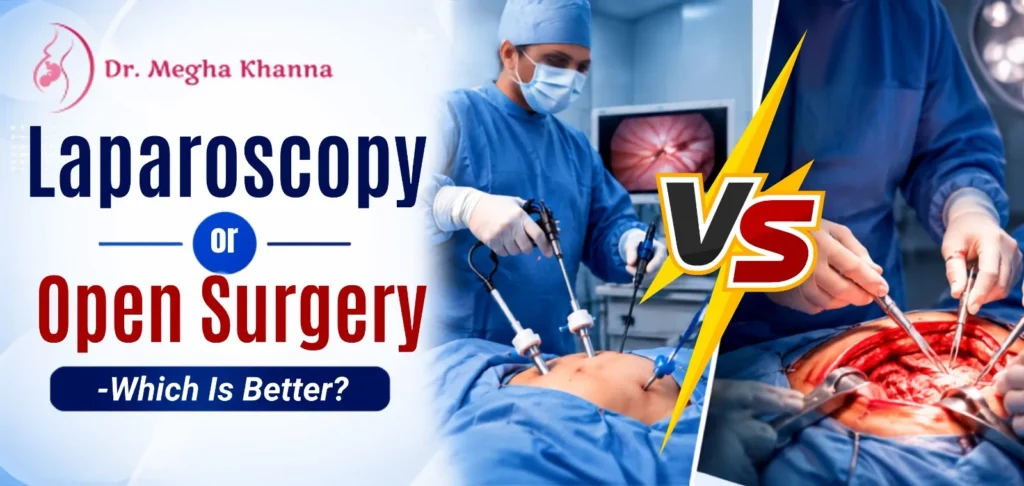
Modern surgical options have transformed women’s healthcare. Understanding the right approach helps ensure safer procedures, faster recovery, and better outcomes. Choosing the right surgical method is crucial for women’s health. Under the guidance of the best lady gynecologist in Kolkata, patients today compare minimally invasive laparoscopy with traditional open surgery. Understanding laparoscopy vs open surgery pros and cons helps women make informed, confident decisions for safer treatment and quicker healing. The best lady gynecologist in Kolkata evaluates the patient’s condition, diagnosis, age, fertility goals, and recovery needs before recommending surgery. This blog serves as a pillar page, supported by cluster sections explaining techniques, benefits, risks, and recovery—building complete topical authority. Which Surgical Option Offers Safer Outcomes and Faster Recovery? Choosing between laparoscopy and open surgery depends on medical condition, overall health, and surgical goals. Laparoscopy is a minimally invasive technique that uses small incisions, resulting in less tissue damage, reduced pain, and shorter hospital stays. Patients often experience quicker recovery, minimal scarring, and a faster return to daily activities, making it a preferred option for many gynecological and abdominal procedures. Open surgery, however, remains essential in complex cases where extensive access and visibility are required. Large tumors, severe infections, advanced endometriosis, or emergency situations may be better managed through traditional surgery. Open procedures allow surgeons greater control and direct access, which can improve safety and surgical precision in high-risk conditions. The decision is not about which method is universally better, but which approach is most appropriate for the individual patient. Factors such as surgical complexity, previous operations, and the surgeon’s expertise play a critical role. A personalized evaluation ensures optimal outcomes, balancing recovery time, effectiveness, and long-term health benefits. Which Surgical Option Offers Safer Outcomes and Faster Recovery?Understanding Laparoscopy and Traditional Surgery What Is Laparoscopic Surgery?What Is Traditional (Open) Surgery?Is Laparoscopy Better Than Traditional Open Surgery?Laparoscopy vs Open Surgery Pros and ConsWhen Do Gynecologists Prefer Laparoscopy?Recovery ComparisonPost-Surgery Recovery & Care Myths About Laparoscopic Surgery Final ThoughtFAQ Understanding Laparoscopy and Traditional Surgery What Is Laparoscopic Surgery? Minimally invasive Small keyhole incisions Camera-guided precision Less tissue damage What Is Traditional (Open) Surgery? Larger incision Direct organ access Used in complex or emergency cases Both are effective when chosen correctly. Women seeking advanced surgical care often consult Dr Megha Khanna, known for evidence-based decision-making, patient education, and ethical practice. Is Laparoscopy Better Than Traditional Open Surgery? Is laparoscopy better than traditional open surgery? In most planned...
MeghaKhanna
23.06.2026
Bleeding during pregnancy often causes fear and confusion. Many expectant mothers ask, is bleeding during pregnancy dangerous? While some spotting can be harmless, other cases need urgent care. Early evaluation by the Best Lady Gynecologist in Kolkata helps identify causes, protect maternal health, and ensure baby’s safety through timely treatment. Any bleeding during pregnancy—light or heavy—should be assessed by the Best Lady Obstetrician in Kolkata to rule out complications and ensure safe pregnancy outcomes with expert monitoring and guidance. Understanding Bleeding During Pregnancy Is Bleeding During Pregnancy Dangerous?Common Causes of Bleeding During PregnancyFirst TrimesterSecond & Third TrimesterWarning Signs That Need Immediate Medical HelpDiagnosis & EvaluationTreatment Options (Based on Cause)Bleeding During Pregnancy: Expert Care by Dr Megha KhannaConclusion FAQs Understanding Bleeding During Pregnancy Bleeding during pregnancy can occur in the first, second, or third trimester. Causes range from implantation bleeding to serious conditions like placental problems. Knowing that bleeding during pregnancy is dangerous depends on timing, amount, pain, and associated symptoms. Early diagnosis reduces the risk of serious complications. . Is Bleeding During Pregnancy Dangerous? Bleeding can be normal or dangerous, depending on the cause: Light spotting in early pregnancy may be normal. Severe bleeding accompanied by pain may indicate a miscarriage or ectopic pregnancy. Late-pregnancy bleeding may indicate placental issues Never ignore bleeding—prompt medical advice matters. Common Causes of Bleeding During Pregnancy First Trimester Implantation bleeding Hormonal changes Miscarriage Ectopic pregnancy Second & Third Trimester Placenta previa Placental abruption Cervical changes Preterm labour Warning Signs That Need Immediate Medical Help Seek urgent care if bleeding is accompanied by: Severe abdominal pain Dizziness or fainting Fever or chills Heavy bleeding with clots Reduced fetal movements Consulting the Best Lady Gynecologist in Kolkata ensures quick intervention and fetal monitoring. Diagnosis & Evaluation Doctors may recommend: Ultrasound imaging Blood tests (hCG, haemoglobin) Pelvic examination Fetal heart rate monitoring Accurate diagnosis helps determine whether bleeding is harmless or serious. Treatment Options (Based on Cause) Bed rest and observation Hormonal support Medications to control bleeding Hospitalisation in high-risk cases Emergency intervention if required Treatment is always individualised to protect both mother and baby. Bleeding During Pregnancy: TrimesterCommon CauseRisk LevelFirstImplantationLowFirstMiscarriageHighSecondPlacental issuesModerate–HighThirdPlacental abruptionEmergency Expert Care by Dr Megha Khanna Care under Dr Megha Khanna focuses on compassionate, evidence-based management of high-risk and normal pregnancies. Her clinical expertise helps expectant mothers navigate bleeding episodes safely with personalised care plans. Conclusion Bleeding during pregnancy should never be ignored. Understanding that bleeding during...
11.10.2026
10.10.2026
29.06.2026
