-
Ganesh Talkies, Kolkata
Ganesh Talkies, Kolkata
Admins
12.12.2024
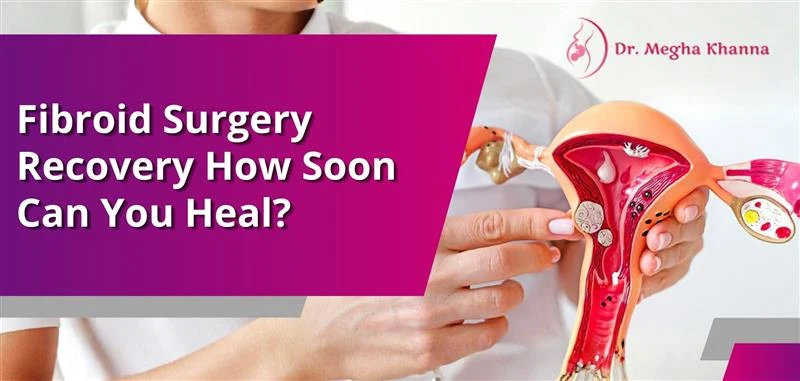
Wondering if Myomectomy is the right solution for your fibroids? Learn about the options and benefits of this surgery for better health and fertility, with insights from one of the best lady gynecologists. Understanding Myomectomy: A Guide to Treatment for Uterine FibroidsWhat Is Myomectomy?Why Would You Consider Myomectomy?Different Types of Myomectomy Procedures1. Abdominal Myomectomy2. Laparoscopic Myomectomy3. Hysteroscopic MyomectomyIs Myomectomy the Right Option for You?1. Size and Location of Your Fibroids2. Your Fertility Goals3. Symptoms Impacting Your Daily Life4. Health and Medical ConsiderationsBenefits of MyomectomyHow to Prepare for FibroidectomyWhat to Expect During RecoveryFAQs About Myomectomy1. Can I get pregnant after Fibroidectomy?2. Are there risks associated with Fibroidectomy?3. How long does it take to recover from Fibroidectomy?Is Myomectomy Right for You? Understanding Myomectomy: A Guide to Treatment for Uterine Fibroids When dealing with uterine fibroids, many women face the decision of how best to treat these growths. Uterine fibroids are non-cancerous tumors that develop in or on the uterus, and they are a common cause of heavy periods, pelvic pain, and infertility. For women who experience debilitating symptoms or wish to preserve their fertility, Fibroid removal surgery is often considered a viable solution. But how do you know if Fibroid resection is the right choice for you? In this article, we will explore the ins and outs of Fibroid removal surgery, including the different types of the procedure, its benefits, and how to determine if it’s the right treatment for your fibroids. You will also find insights into recovery times and potential risks, helping you make an informed decision. What Is Myomectomy? Before diving into whether Uterine tumor removal is the right option for you, it’s essential to understand what the procedure involves. Uterine tumor removal is a surgical procedure designed to remove fibroids from the uterus while preserving the uterus itself. This procedure is ideal for women who have fibroids causing symptoms but want to maintain their ability to have children in the future. Why Would You Consider Myomectomy? Fibroid resection can be the best choice for women who want relief from the symptoms of fibroids but wish to avoid a hysterectomy (the complete removal of the uterus). Some of the reasons why women consider Fibroid resection include: Preservation of Fertility: Unlike a hysterectomy, which removes the uterus and ends the possibility of future pregnancies, Uterine fibroid surgery allows you to keep your uterus intact, preserving your fertility. Relief from Symptoms:...
Admins
10.12.2024
Wondering how long recovery after diagnostic hysteroscopy takes? Learn what to expect post-procedure, tips for a smooth recovery, and expert advice from one of the best lady gynecologists. Understanding Diagnostic Hysteroscopy and Its PurposeWhy Is Diagnostic Hysteroscopy Done?What Happens During a Diagnostic Hysteroscopy?How Long Does Recovery After Diagnostic Hysteroscopy Take?What to Expect Immediately After the ProcedureFirst 24-48 HoursDays 2-3: Gradual Return to NormalWhen to Consult Your DoctorTips to Speed Up Recovery After Diagnostic HysteroscopyHow Long Before You Can Resume Normal Activities?FAQs About Recovery After Diagnostic Hysteroscopy1. How painful is Uterine Cavity Assessment recovery?2. How long does bleeding last after diagnostic hysteroscopy?3. Can I shower or bathe after the procedure?4. When should I worry about symptoms post-hysteroscopy?5. Is it safe to travel after diagnostic hysteroscopy?Why Expertise Matters for Hysteroscopy and RecoverySmooth Recovery After Diagnostic Hysteroscopy Understanding Diagnostic Hysteroscopy and Its Purpose Diagnostic hysteroscopy is a minimally invasive procedure that allows gynecologists to examine the inside of the uterus. By using a thin, lighted instrument called a hysteroscope, doctors can directly assess the uterine lining to diagnose and sometimes treat various gynecological conditions. This procedure has become increasingly common due to its accuracy, minimal downtime, and ability to identify underlying issues that other tests might miss. Why Is Diagnostic Hysteroscopy Done? A doctor may recommend this procedure for: Abnormal uterine bleeding (heavy periods, irregular spotting, or postmenopausal bleeding). Evaluation of recurrent miscarriages or infertility concerns. Diagnosing and treating conditions like polyps, fibroids, adhesions, or other uterine abnormalities. Investigating unusual imaging results (e.g., from ultrasounds or MRIs). Since it is a quick outpatient procedure requiring no incisions, recovery after Uterine Endoscopy is often short and manageable, particularly when performed by a highly experienced gynecologist. What Happens During a Diagnostic Hysteroscopy? Before discussing the recovery period, it’s important to understand what happens during the procedure: Preparation: You might be advised to avoid food and drink a few hours before the procedure. In some cases, medications may be prescribed to relax the cervix. Procedure Setting: Hysteroscopic Diagnosis is typically done in a clinic or hospital. Anesthesia: Local anesthesia, mild sedation, or no anesthesia is used, depending on your situation and doctor’s recommendation. Process: The hysteroscope is carefully inserted through the cervix into the uterus. A small amount of saline or gas may be used to expand the uterus for better visibility. Duration: The procedure is usually completed within 15-30 minutes. Since there are no incisions,...

Admin
06.12.2024
Hello Reader! Welcome to the blog page of Dr. Megha Khanna one of the best lady gynaecologist in Kolkata. When it comes to addressing various gynecological issues, an abdominal hysterectomy is a common surgical procedure that many women may undergo. As one of the best lady gynecologist in Kolkata, I, Dr. Megha Khanna, am here to guide you through what to expect before, during, and after this life-changing surgery. What is Abdominal Hysterectomy and Procedure? What is Abdominal Hysterectomy and Procedure?What is an Abdominal Hysterectomy?Preparing for an Abdominal Hysterectomy1. Consultation and Diagnosis2. Pre-Surgery Tests3. Medications and Lifestyle AdjustmentsDuring the Abdominal Hysterectomy1. Anesthesia2. The Procedure3. DurationAfter the Abdominal Hysterectomy: Recovery and Care1. Hospital Stay2. Pain Management3. Post-Surgery Care4. Emotional Well-beingWhat are the potential complications associated with an abdominal hysterectomy?Common ComplicationsLong-Term ComplicationsHow is bleeding managed during and after an abdominal hysterectomy?Management During the ProcedureManagement After the ProcedureHow long does the recovery process typically take after an abdominal hysterectomy?Hospital StayHome RecoveryFactors Influencing RecoveryPostoperative Care TipsWhat dietary changes are recommended during recovery?1. Focus on Nutrient-Dense Foods2. Hydration3. Anti-inflammatory Foods4. Vitamins and Minerals5. Avoid Certain Foods6. Regular Meal Schedule7. Fiber IntakeWhat are the best ways to manage pain during recovery?1. Medication Management2. Non-Pharmacological Approaches3. Physical Activity4. Relaxation Techniques5. Psychological Support6. Adequate Rest7. Nutritional SupportWhy Choose Dr. Megha Khanna for Your Abdominal Hysterectomy?Frequently Asked Questions (FAQs)1. What is an abdominal hysterectomy?2. How do I prepare for an abdominal hysterectomy?3. What happens during the procedure?4. What is the recovery period like after the surgery?5. Can I still have children after an abdominal hysterectomy?Conclusion What is an Abdominal Hysterectomy? An abdominal hysterectomy is a surgical procedure to remove the uterus through an incision in the abdomen. This may be done to treat conditions such as: Uterine fibroids cause pain or heavy bleeding. Endometriosis not responding to other treatments. Uterine or cervical cancer. Chronic pelvic pain or uterine prolapse. The procedure can be partial (removing only the uterus) or total (removing the uterus and cervix). Preparing for an Abdominal Hysterectomy As one of the best lady gynecologist in Kolkata, I ensure that every patient is fully prepared for the procedure. Here's what you can expect: 1. Consultation and Diagnosis Your gynecologist will conduct a detailed review of your medical history and perform necessary tests such as ultrasound, pelvic exams, or MRI. Discussions about the need for surgery and potential alternatives will take place. 2. Pre-Surgery Tests Blood tests, urine...
Admins
05.12.2024
Learn effective recovery tips after laparoscopic sterilization to ensure a smooth and quick healing process. Expert advice from one of the best lady gynecologists in Kolkata. Top Recovery Tips for a Smooth Healing After Laparoscopic SterilizationUnderstanding Laparoscopic SterilizationWhy Is Recovery Important After Laparoscopic Sterilization?Best Recovery Tips After Laparoscopic Sterilization1. Prioritize Rest and Relaxation2. Manage Pain Effectively3. Care for the Surgical Site4. Resume Activities Gradually5. Stick to a Healthy Diet6. Listen to Your BodyWhat to Avoid During Recovery1. Skipping Follow-Up Appointments2. Overexerting Yourself3. Smoking or Alcohol ConsumptionSigns You Need Medical AttentionRecovery Timeline: What to ExpectFirst 24-48 Hours3-7 Days Post-Surgery1-2 WeeksFAQs About Recovery After Laparoscopic SterilizationQ1: How long does recovery take?Q2: Is it normal to feel bloated after the procedure?Q3: When can I start exercising again?Q4: What should I eat during recovery?Q5: Will laparoscopic sterilization affect my hormones?Why Expert Guidance Matters in RecoverySmooth Recovery Tips After Laparoscopic Sterilization Top Recovery Tips for a Smooth Healing After Laparoscopic Sterilization Laparoscopic sterilization is a minimally invasive and permanent solution for contraception chosen by many women worldwide. While the procedure itself is straightforward and safe, the recovery phase is crucial to its success. Proper care not only helps the body heal faster but also prevents complications and enhances the quality of life post-surgery. In this post, we will explore the best recovery tips after laparoscopic sterilization, focusing on practical advice, frequently asked questions, and professional insights to make your journey to recovery smoother. Understanding Laparoscopic Sterilization Laparoscopic sterilization is a form of tubal ligation, where the fallopian tubes are either sealed or blocked to prevent fertilization. The procedure involves small incisions and the use of a laparoscope, a thin tube with a camera, making it less invasive than traditional sterilization methods. This procedure is highly effective and comes with numerous benefits, including shorter recovery time, reduced scarring, and minimal post-operative pain. However, like any surgery, the healing process demands attention and care to ensure successful outcomes. Why Is Recovery Important After Laparoscopic Sterilization? Even though laparoscopic sterilization is a less invasive procedure, it is still a surgical intervention that requires the body to heal. Proper recovery ensures: Reduced risk of infections or complications. Better wound healing and minimal scarring. Faster return to daily activities. Long-term success of the procedure. Best Recovery Tips After Laparoscopic Sterilization 1. Prioritize Rest and Relaxation Rest is the cornerstone of recovery. Allow your body to heal by taking it easy...