-
Ganesh Talkies, Kolkata
Ganesh Talkies, Kolkata

Admins
24.12.2024
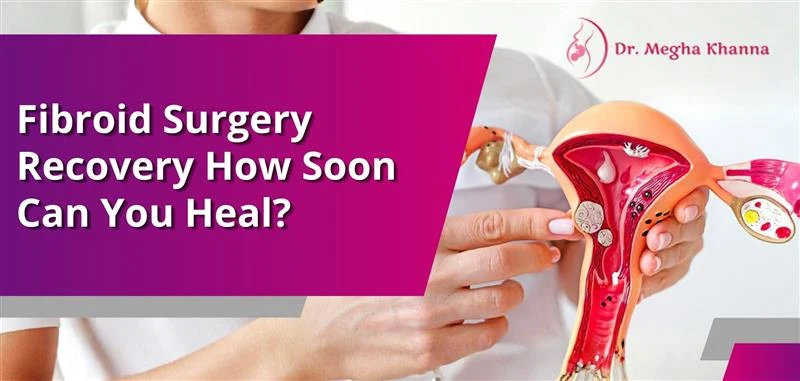
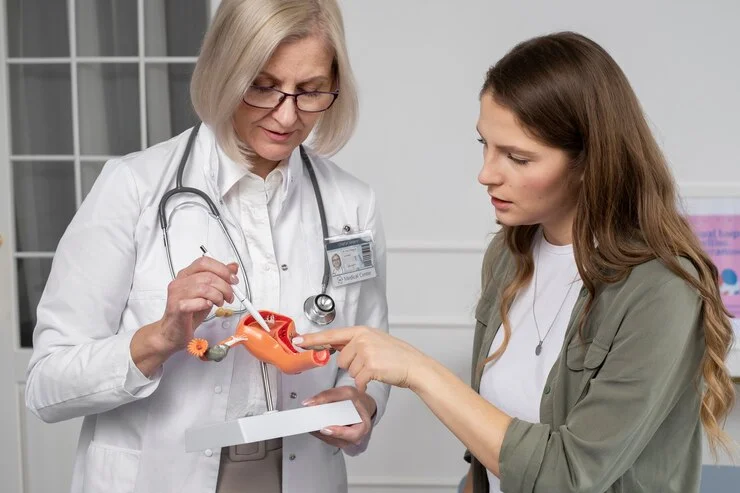
Explore the role of hysterolaparoscopy in infertility treatment. Discover how this minimally invasive procedure helps diagnose and treat infertility issues. Learn from one of the best lady gynecologists. Understanding the Role of Hysterolaparoscopy in Infertility TreatmentWhat Is Hysterolaparoscopy?Hysteroscopy: Examining the UterusLaparoscopy: Examining the Pelvic Region1. Endometriosis2. Pelvic Adhesions3. Uterine Abnormalities4. Blocked Fallopian Tubes5. Ovarian CystsBenefits of Hysterolaparoscopy in Infertility TreatmentFrequently Asked QuestionsDiscover How Hysterolaparoscopy Can Help With Infertility Understanding the Role of Hysterolaparoscopy in Infertility Treatment Infertility is an emotionally and physically challenging experience for many couples. The desire to build a family often leads to frustration when pregnancy does not occur despite efforts. While various factors contribute to infertility, understanding the root cause is the first step toward effective treatment. One advanced method for diagnosing and addressing infertility issues is hysterolaparoscopy in infertility treatment. This minimally invasive procedure has become a key player in the field of reproductive medicine, offering hope and improved fertility outcomes for many women. In this article, we will explore the role of hysterolaparoscopy in infertility treatment, how it works, the conditions it helps diagnose and treat, and why it's often the go-to choice for gynecologists and fertility specialists. What Is Hysterolaparoscopy? Hysterolaparoscopy combines two important medical techniques: hysteroscopy and laparoscopy. These two procedures allow doctors to diagnose and treat infertility-related issues by directly visualizing the reproductive organs without the need for large incisions. The combination of both methods gives doctors a thorough understanding of what's going on inside the pelvic region and uterus, which significantly aids in addressing infertility concerns. Hysteroscopy: Examining the Uterus Hysteroscopy involves inserting a thin, flexible tube called a hysteroscope into the uterus through the cervix. This allows the doctor to inspect the uterus' internal lining and detect abnormalities that could hinder conception, such as fibroids, polyps, or uterine septa. The procedure can also provide valuable insights into the health of the uterine cavity, which plays a critical role in successful implantation and pregnancy. Laparoscopy: Examining the Pelvic Region Laparoscopy, on the other hand, involves the insertion of a small camera through a tiny incision in the abdomen, often near the belly button. This camera, called a laparoscope, allows doctors to view the ovaries, fallopian tubes, and other pelvic organs. Laparoscopy is particularly useful for diagnosing conditions like endometriosis, pelvic adhesions, and blocked fallopian tubes—conditions that can directly impact fertility. By combining these two procedures into one, hysterolaparoscopy in infertility...
Admins
19.12.2024
Discover the best post-surgery care tips after a hysterectomy for a smoother recovery. Learn how to manage pain, diet, and emotional health during your healing journey with guidance from one of the best lady gynecologists. Essential Post-Surgery Care Tips for a Smooth Hysterectomy RecoveryWhy Is Post-Surgery Care So Important After a Hysterectomy?Key Post-Surgery Care Tips After a Hysterectomy1. Follow Your Doctor’s Instructions Carefully2. Rest and Recover (But Stay Mobile)3. Manage Pain and Discomfort Effectively4. Nourish Your Body with a Balanced Diet5. Take Care of Your Incisions6. Support Emotional Well-being7. Be Mindful of Hormonal Changes8. Monitor for Potential ComplicationsFAQs About Post-Surgery Care After a Uterus removal1. How long does it take to fully recover after a Uterus removal?2. When can I resume physical activities or exercise?3. Is it normal to experience emotional changes after a hysterectomy?4. When can I resume Physical relations after a hysterectomy?5. What are the common risks after a hysterectomy?Complete Your Hysterectomy Recovery with Proper Care and Patience Essential Post-Surgery Care Tips for a Smooth Hysterectomy Recovery A hysterectomy/Uterus removal is a major surgery that involves the removal of a woman’s uterus. While the surgery may be life-saving or necessary for addressing a variety of health issues, the recovery process can be lengthy and requires proper care to ensure a smooth transition to health. Post-surgery care is critical not only for physical recovery but also for emotional healing. Whether you're recovering from an abdominal, vaginal, or laparoscopic hysterectomy, understanding how to properly care for yourself post-surgery is essential. In this comprehensive guide, we’ll explore the best post-surgery care tips after a uterus removal, which can help you recover faster, feel more comfortable, and improve your overall well-being. Why Is Post-Surgery Care So Important After a Hysterectomy? Proper post-surgery care is essential for reducing the risk of complications and accelerating your recovery. After a uterus removal, your body is going through significant changes—whether it’s healing from surgery or adjusting to hormonal shifts if your ovaries were removed. Taking the right steps can make a considerable difference in how quickly you heal and how well you feel during your recovery. Ignoring post-surgery care can lead to complications such as infection, prolonged pain, or even internal issues like scarring. For the best outcome, following post-surgery instructions, managing your lifestyle and diet, and addressing emotional health are all crucial aspects of healing. Key Post-Surgery Care Tips After a Hysterectomy 1. Follow Your...
Admin
18.12.2024
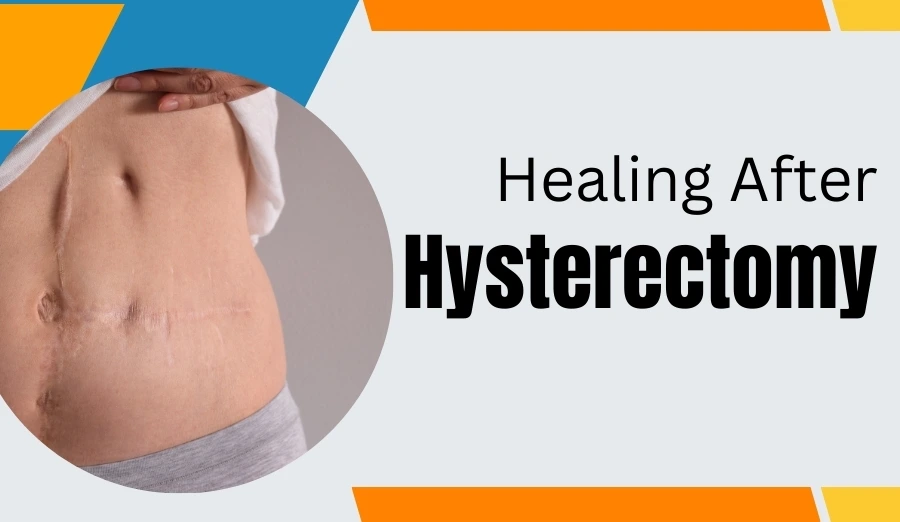
Hello Reader! Welcome to the blog page of Dr. Megha Khanna, one of the best gynaecologist in Kolkata. Undergoing a hysterectomy is a significant medical event for many women, and understanding the recovery process can make it less daunting. As one of the best lady gynaecologist in Kolkata, I, Dr. Megha Khanna, aim to guide my patients through the journey of healing after hysterectomy, whether they opt for laparoscopic or abdominal procedures. What is a Hysterectomy?Healing After Laparoscopic HysterectomyInitial Days Post-SurgeryFirst Two WeeksSix Weeks and BeyondHealing After Abdominal HysterectomyInitial Days Post-SurgeryFirst Two WeeksSix to Twelve WeeksKey Differences in RecoveryTips for Healing After HysterectomyWhat are the main differences in recovery time between laparoscopic and abdominal hysterectomies?Recovery Time OverviewWhat are the best practices for post-operative care after a hysterectomy?1. Pain Management2. Hydration and Nutrition3. Rest and Activity4. Wound Care5. Pelvic Rest6. Emotional Support7. Follow-Up CareWhat are the potential complications to watch out for after a hysterectomy?1. Infection2. Bleeding3. Blood Clots4. Damage to Surrounding Organs5. Vaginal Problems6. Ovarian Failure and Early Menopause7. Gastrointestinal Complications8. Long-Term ComplicationsHow can I manage pain and discomfort during the recovery period after a hysterectomy?1. Pain Medication2. Cold Compresses3. Rest and Gradual Activity4. Physical Therapy5. Relaxation Techniques6. Nutrition and Hydration7. Monitoring Pain Levels8. Follow-Up CareFAQChoosing the Right ApproachFinal Thoughts What is a Hysterectomy? To know about Healing After Hysterectomy A hysterectomy is a surgical procedure to remove the uterus and, in some cases, other surrounding structures such as the ovaries and fallopian tubes. This procedure is recommended for various medical conditions, including uterine fibroids, endometriosis, cancer, or severe pelvic pain. There are two primary approaches to this surgery: Laparoscopic Hysterectomy: A minimally invasive technique where small incisions are made in the abdomen to perform the surgery with the help of a camera and specialized instruments. Abdominal Hysterectomy: A traditional method involving a larger incision in the abdominal area to access and remove the uterus. Each method has distinct recovery timelines and considerations. Let’s explore the healing process for both. Healing After Laparoscopic Hysterectomy The laparoscopic approach is often preferred due to its minimally invasive nature. Here’s what to expect during recovery: Initial Days Post-Surgery Hospital Stay: Typically, you can go home within 24 to 48 hours. Pain Management: Mild to moderate pain around the incision sites is common. Oral pain relievers are usually sufficient. Mobility: Patients are encouraged to walk soon after surgery to promote blood circulation and prevent...
Admins
16.12.2024
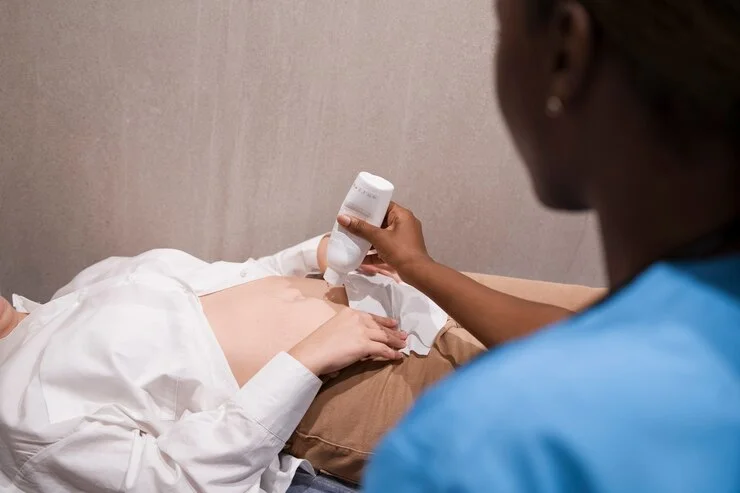
Discover the latest innovations in Caesarean section care, including advanced surgical techniques, pain management, and ERAS protocols, for safer and quicker recovery. With insights from one of the best lady gynecologists for expert care. Discover the Latest Advancements in Safe and Efficient Caesarean Section CareWhy Are Innovations in Caesarean Section Care Important?The Latest Innovations in Caesarean Section Care1. Enhanced Surgical Techniques2. Advances in Pain Management3. Improved Infection Control Measures4. Enhanced Recovery After Surgery (ERAS) Protocols5. Robotic-Assisted C-Section Surgery6. Focus on Maternal Experience and BondingWhy Choose an Experienced Surgeon for Caesarean Section Care?FAQs About Innovations in Caesarean Section CareEmbrace a Safer Caesarean Section Journey with the Best Care Discover the Latest Advancements in Safe and Efficient Caesarean Section Care The field of obstetrics has made significant strides in recent years, particularly in the way Caesarean sections (C-sections) are performed. Once viewed as a complex and high-risk procedure, C-sections have become much safer, quicker, and more efficient thanks to groundbreaking advancements in medical technology, surgical techniques, and patient care protocols. These innovations aim to enhance both the safety and comfort of mothers and babies, significantly improving recovery times and the overall childbirth experience. If you’re expecting and considering a C-section, or simply curious about the latest improvements in C-section care, this article provides an in-depth look at the cutting-edge developments that are revolutionizing maternal healthcare. Whether you’re looking to learn more about advanced surgical techniques, pain management strategies, or recovery protocols, this guide will help you navigate the evolving landscape of C-section care. Why Are Innovations in Caesarean Section Care Important? While C-sections have become a routine procedure in modern obstetrics, they still carry certain risks. These include potential complications like infections, prolonged recovery, blood loss, and surgical injury. In response to these concerns, continuous innovation in surgical techniques, pain management, and recovery protocols has played a crucial role in minimizing risks and improving the experience for mothers undergoing C-sections. The importance of these innovations extends beyond just improving outcomes; they also provide a more positive and empowering experience for the mother. Many of the advancements focus on reducing post-operative discomfort, ensuring quicker recovery times, and fostering a deeper emotional connection between mother and baby. As a result, these innovations not only prioritize the physical well-being of both mother and child but also enhance the emotional and psychological experience of childbirth. The Latest Innovations in Caesarean Section Care 1. Enhanced Surgical Techniques...