-
Ganesh Talkies, Kolkata
Ganesh Talkies, Kolkata

Admins
25.01.2025
Explore the benefits of yoga and meditation for PCOS to improve hormonal balance, reduce stress, support weight loss, and enhance fertility naturally. Managing Polycystic Ovary Syndrome (PCOS) requires a holistic approach that addresses both physical and emotional health. While medical treatments and lifestyle changes such as diet and exercise are important, yoga and meditation are powerful tools that can naturally alleviate symptoms and improve quality of life for women with PCOS. In this post, we’ll delve into the role of yoga and meditation in PCOS management, highlight specific poses and practices, and answer common questions. By the end, you’ll have a clear understanding of how these ancient practices can positively impact your health. Understanding PCOS: Why Stress Management MattersHow Yoga and Meditation Help in PCOS1. Balancing Hormones Naturally2. Managing Stress and Anxiety3. Improving Insulin Sensitivity4. Supporting Weight Loss and Metabolism5. Enhancing Fertility and Reproductive HealthDaily Routine for Yoga and MeditationSample 30-Minute PracticeFAQs About Yoga and Meditation for PCOS1. Can yoga and meditation cure PCOS?2. How long should I practice yoga and meditation daily for PCOS?3. Are there specific yoga poses to avoid with PCOS?4. Can yoga help regulate menstrual cycles?5. Is it safe to do yoga during menstruation with PCOS?Why Holistic Care MattersTransform Your PCOS Journey with Yoga, Meditation, and Expert Care Understanding PCOS: Why Stress Management Matters Polycystic Ovary Syndrome is a hormonal disorder affecting millions of women worldwide. Common symptoms include: Irregular or absent periods Weight gain and difficulty losing weight Acne and excessive hair growth Hair thinning on the scalp Difficulty conceiving PCOS often comes with additional complications, such as insulin resistance, which increases the risk of Type 2 diabetes, and high stress levels that worsen symptoms. Stress, in particular, plays a critical role in PCOS. Chronic stress triggers the release of cortisol, a hormone that disrupts the delicate balance of other hormones, including insulin, estrogen, and testosterone. This leads to a vicious cycle of worsening symptoms. By incorporating yoga and meditation into your routine, you can target stress and its effects on the body, leading to improved hormonal balance and overall health. How Yoga and Meditation Help in PCOS 1. Balancing Hormones Naturally Hormonal imbalances are at the core of PCOS. Yoga and meditation stimulate the parasympathetic nervous system (also known as the "rest-and-digest" system), which reduces cortisol levels. Lower cortisol levels create a ripple effect, improving the balance of insulin, estrogen, and testosterone in the...
Admin
24.01.2025
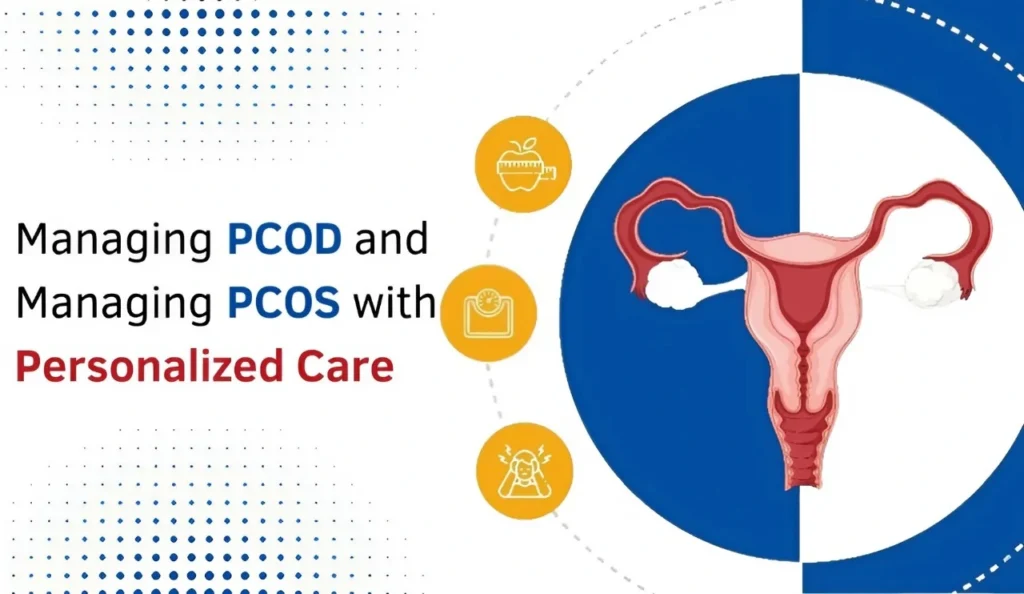
Hello World! Welcome to the blog page of Dr. Megha Khanna, one of the best lady gynecologist in Kolkata. Polycystic Ovary Disorder (PCOD) and Polycystic Ovary Syndrome (PCOS) are among the most common hormonal imbalances affecting women today. These conditions can lead to irregular menstrual cycles, fertility issues, and other health complications if not managed properly. As the best lady gynaecologist in Kolkata, Dr. Megha Khanna is here to guide you through managing PCOD and managing PCOS with personalized care tailored to your unique needs. Understanding PCOD and PCOSImportance of Personalized Care in Managing PCOD and PCOSKey Strategies for Managing PCOD and Managing PCOS1. Dietary Modifications2. Regular Exercise3. Medical Interventions4. Stress Management5. Routine Monitoring and Follow-upsWhat are the best lifestyle changes for managing PCOD?1. Adopt a Balanced Diet2. Regular Exercise3. Weight Management4. Stress Management5. Regular Health Check-upsHow can diet and exercise specifically help with PCOS symptoms?Benefits of Diet in Managing PCOS SymptomsBenefits of Exercise in Managing PCOS SymptomsHow does insulin resistance impact PCOS management?The Connection Between Insulin Resistance and PCOSImpact on Management Strategies1. Dietary Modifications2. Regular Physical Activity3. MedicationsWhat role does stress management play in treating PCOD and PCOS?Understanding the Impact of Stress on PCOD and PCOSBenefits of Stress Management in Treating PCOD and PCOSEffective Stress Management TechniquesFAQ1. What is the difference between PCOD and PCOS?2. Can PCOD and PCOS be cured?3. Does PCOS always cause infertility?4. How does weight management help in PCOD and PCOS?5. Why is personalized care important for managing PCOD and PCOS?How Dr. Megha Khanna Can HelpConclusion Understanding PCOD and PCOS PCOD (Polycystic Ovary Disorder): This condition occurs when the ovaries produce an excessive number of immature or partially mature eggs, leading to multiple cyst formations over time. Women with PCOD often experience irregular periods, weight gain, and acne. PCOS (Polycystic Ovary Syndrome): PCOS is a more severe metabolic condition that affects hormone levels, leading to high androgen levels, insulin resistance, and enlarged ovaries with small cysts. Symptoms include irregular periods, excessive facial hair, thinning hair, and difficulty conceiving. While PCOD and PCOS share similarities, the management strategies differ based on the severity and impact of the condition. Importance of Personalized Care in Managing PCOD and PCOS Every woman’s body is different, and so is their experience with PCOD or PCOS. Personalized care involves understanding the root cause, tailoring treatment plans, and addressing lifestyle factors for effective management. At the clinic of the best lady gynecologist...

Admins
22.01.2025
Discover the causes, diagnosis, and effective heavy menstrual bleeding treatment options. Consult a reputed gynecologist for personalized care and solutions. Heavy menstrual bleeding (HMB) is a common yet often misunderstood condition that affects many women. It refers to excessive blood loss during menstruation that interferes with a woman’s daily life. While periods are a natural part of a woman’s reproductive cycle, when bleeding becomes abnormally heavy, it can lead to various physical and emotional challenges. Fortunately, effective heavy menstrual bleeding treatment options are available to help manage this condition. In this article, we will explore the causes, diagnosis, and treatments for heavy menstrual bleeding, helping you understand the condition better and take control of your health. What Is Heavy Menstrual Bleeding?Causes of Heavy menstrual flow1. Hormonal Imbalance2. Uterine Fibroids3. Endometriosis4. Adenomyosis5. Blood Clotting Disorders6. Cancer7. Intrauterine Devices (IUDs)Diagnosing Heavy Menstrual Bleeding1. Medical History and Symptoms Review2. Physical Examination3. Blood Tests4. Ultrasound5. Endometrial Biopsy6. HysteroscopyTreatment for Heavy Menstrual Bleeding1. Medications2. Minimally Invasive Procedures3. Surgical OptionsLaparoscopic Hysterectomy4. Lifestyle ChangesHeavy Menstrual Bleeding Treatment: Frequently Asked Questions1. What are the most common causes of heavy menstrual bleeding?2. How is heavy menstrual bleeding diagnosed?3. Can lifestyle changes help reduce heavy menstrual bleeding?4. When should I seek medical attention for heavy menstrual bleeding?Effective Heavy Menstrual Bleeding Treatment: Take Control Today What Is Heavy Menstrual Bleeding? Heavy menstrual bleeding/ Heavy menstrual flow refers to periods that are both longer and more intense than usual. While each woman’s cycle is different, the general guidelines for heavy bleeding are: Blood loss exceeding 80 milliliters (about 2.7 ounces) per cycle Periods lasting more than 7 days Needing to change sanitary products every 1-2 hours Passing large blood clots If you notice any of these signs, it's important to seek medical advice to determine the cause and explore potential heavy menstrual bleeding treatment. Causes of Heavy menstrual flow Several factors can contribute to Heavy menstrual flow. Understanding the underlying cause is essential for effective treatment. Below are some common causes of HMB: 1. Hormonal Imbalance Hormonal imbalances, particularly with estrogen and progesterone, can lead to thickening of the uterine lining, causing excessive bleeding. Conditions like polycystic ovary syndrome (PCOS) and thyroid disorders are often linked to hormonal disruptions. 2. Uterine Fibroids Fibroids are non-cancerous growths in or around the uterus that can cause heavy, prolonged periods. These growths can range in size from small to large, and larger fibroids are more...
Admins
20.01.2025
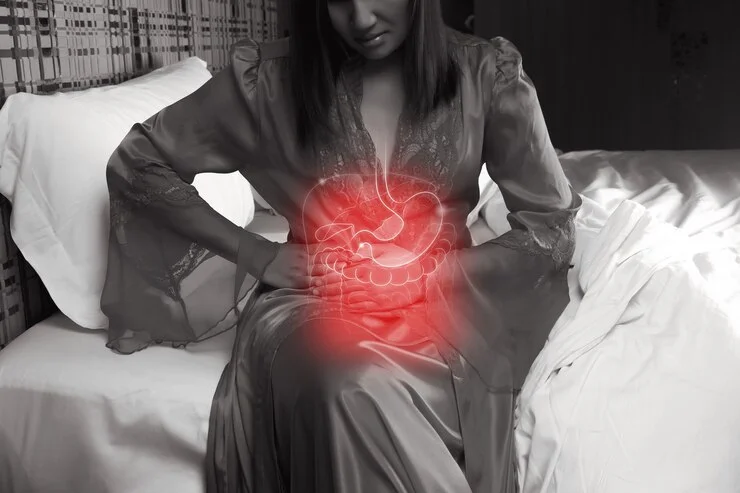
Pelvic pain for women can arise from various causes, impacting daily life. Learn effective ways to manage it with insights from experts. Pelvic pain is a common yet complex issue that many women experience at different stages of their lives. It can range from mild discomfort to severe pain, significantly affecting quality of life. Understanding the root causes and exploring effective gynecology treatment options is vital for proper management. In this guide, we’ll explore the causes, symptoms, and ways to manage pelvic pain for women, empowering you with the knowledge needed to take control of your health. What Is Pelvic Pain?What Causes Pelvic Pain in Women?1. Reproductive Health Conditions2. Infections and Inflammation3. Pregnancy-Related Issues4. Digestive and Bowel Conditions5. Musculoskeletal Disorders6. Psychological FactorsDiagnosis: Finding the Cause of Pelvic Pain1. Detailed Medical History2. Physical Examination3. Diagnostic TestsManaging Pelvic Pain: Comprehensive Approaches1. Medical Treatments2. Physical Therapy3. Lifestyle Modifications4. Alternative TherapiesFAQs About Groin pain1. What is the most common cause of chronic Groin pain?2. Can stress worsen Groin pain?3. How long should I wait before seeing a doctor for Groin pain?4. Can Groin pain affect fertility?5. Are there natural remedies for Groin pain?Pelvic Pain for Women: Find Relief with Expert Guidance What Is Pelvic Pain? Pelvic pain is discomfort or pain in the lower abdomen, pelvis, or perineum. It can be short-term (acute) or last for months, becoming a chronic condition. Pelvic pain is often multifaceted, involving one or more bodily systems, making diagnosis and treatment challenging. Whether mild or debilitating, pelvic pain can disrupt daily activities, impact relationships, and even affect mental health. What Causes Pelvic Pain in Women? Understanding the root cause is crucial to managing pelvic pain effectively. Here are some common contributors: 1. Reproductive Health Conditions Endometriosis: Tissue similar to the uterine lining grows outside the uterus, causing inflammation and pain. Adenomyosis: Uterine lining grows into the uterine muscle, often resulting in heavy periods and cramps. Ovarian Cysts: Fluid-filled sacs on the ovaries that can cause pain, especially during ovulation or menstruation. 2. Infections and Inflammation Pelvic Inflammatory Disease (PID): Bacterial infection affecting the reproductive organs. Urinary Tract Infections (UTIs): Can cause pelvic pain alongside a burning sensation during urination. Vaginitis: Inflammation or infection of the vagina, often linked to bacterial or yeast infections. 3. Pregnancy-Related Issues Ectopic Pregnancy: A potentially life-threatening condition where a fertilized egg implants outside the uterus. Miscarriage: Early pregnancy loss may lead to pelvic pain...