-
Ganesh Talkies, Kolkata
Ganesh Talkies, Kolkata
Admin
07.02.2025
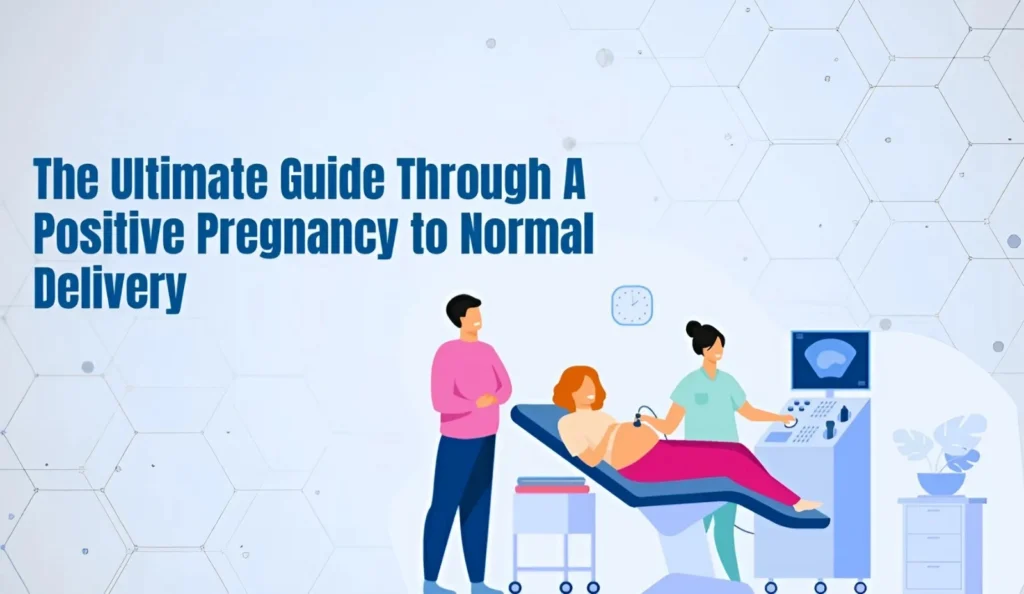
Hello Reader! Welcome to the blog page of Dr. Megha Khanna, one of the best lady gynecologist in Kolkata. Pregnancy is a transformative journey, filled with excitement, anticipation, and at times, a bit of anxiety. Every expecting mother dreams of a smooth, positive pregnancy to normal delivery. With proper care, awareness, and a well-prepared mindset, achieving a positive pregnancy and a successful normal delivery is possible. Understanding Positive PregnancyTips for a Positive PregnancyPreparing for Normal DeliverySteps to Facilitate Normal DeliveryCommon Concerns and How to Overcome ThemManaging Labor Pain NaturallyPostpartum Care After Normal DeliveryEssential Postpartum Care TipsWhat are the key benefits of a normal delivery over a C-section?How can I reduce stress during pregnancy to increase the chances of a normal delivery?What specific foods should I eat to support a healthy pregnancy and normal delivery?How important is staying active during pregnancy for a smooth labor?Are there any specific exercises that help with back pain during pregnancy?FAQ1. How can I ensure a positive pregnancy?2. What exercises help in preparing for normal delivery?3. How can I manage labor pain naturally?4. Is normal delivery possible after a previous C-section?5. How long does recovery take after normal delivery?Conclusion Understanding Positive Pregnancy A positive pregnancy is more than just physical well-being; it encompasses emotional stability, mental preparedness, and a nurturing environment for both mother and baby. This phase should be embraced with optimism, self-care, and a well-balanced lifestyle. Tips for a Positive Pregnancy Healthy Nutrition: A balanced diet rich in folic acid, iron, calcium, and essential vitamins supports fetal development and boosts maternal health. Regular Exercise: Prenatal yoga, walking, and stretching improve stamina, & flexibility, and prepare the body for normal delivery. Stress Management: Practicing meditation, deep breathing, and positive affirmations helps reduce anxiety and keep a calm mindset. Routine Check-ups: Regular visits to the gynecologist ensure timely monitoring of maternal and fetal health. Hydration and Rest: Drinking ample water and ensuring adequate sleep aid in maintaining a healthy pregnancy. Preparing for Normal Delivery A normal delivery is a natural process where the baby is born through the vaginal route. While many women aspire to experience normal delivery, adequate preparation is crucial for a successful outcome. Steps to Facilitate Normal Delivery Stay Active: Exercises such as pelvic tilts, kegel exercises, and squats strengthen pelvic muscles and ease labor. Proper Posture: Maintaining good posture prevents backaches and helps in optimal baby positioning. Prenatal Classes: These classes educate...

Admins
30.01.2025
Fertility is a significant aspect of many people's lives, and it’s natural to want to understand how various factors, like age, play a role in it. However, one of the most common misconceptions revolves around infertility and age myths, and how much they influence the journey of trying to conceive. Age is often seen as a defining factor when it comes to infertility, but there’s more to the story than just numbers. In this post, we will explore the truth behind the myths surrounding infertility and age, clarify any confusion, and provide helpful insights to guide your fertility journey. The Reality of Fertility and AgeMyth 1: Fertility Declines Drastically After 30Myth 2: You Can’t Get Pregnant After 40Myth 3: Menopause Equals InfertilityMyth 4: Men Are Always FertileThe Role of Ovarian Reserve in FertilityThe Impact of Lifestyle on FertilityFAQs about Infertility and Age Myths1. How can I improve my chances of pregnancy after 35?2. Can I still conceive naturally after 40?3. Does male age affect fertility?4. How can I know my ovarian reserve?5. When should I consult a fertility expert?Fertility and Age: Myths, Realities, and What Matters Most The Reality of Fertility and Age It’s no surprise that age plays a role in fertility, but the way society views this factor can often be exaggerated or overly simplistic. While age does have an impact on both men and women’s fertility, the nuances are often lost in common myths. Myth 1: Fertility Declines Drastically After 30 Many believe that women’s fertility drops off sharply after the age of 30. While it is true that fertility begins to decline as women age, this decline is not as immediate or severe as some might think. Reality: Women’s fertility starts to slowly decline in their late 20s and early 30s, but it’s not a sudden, dramatic drop. In fact, many women conceive in their 30s without any issues, although the process might take a bit longer than in younger years. The main factor that affects fertility is not just age but also ovarian reserve—the number of eggs a woman has left. Myth 2: You Can’t Get Pregnant After 40 One of the biggest infertility and age myths is that women over 40 have no chance of getting pregnant naturally. This myth is widespread, but it’s important to know that many women have successful pregnancies well into their 40s. Reality: Although fertility does decrease after 40,...
Admin
29.01.2025
Hello Reader! Welcome to the blog page of Dr. Megha Khanna, one of the best obstetrician in Kolkata. Infertility is a subject surrounded by numerous misconceptions and myths, causing unnecessary stress and confusion for many couples. As the best gynaecologist in Kolkata, I have encountered countless patients struggling with infertility, often influenced by misinformation. In this blog, we will explore and debunk some of the most common myths about infertility to provide clarity and reassurance. Myth 1: Infertility is Always a Woman's ProblemMyth 2: Age Doesn't Affect Fertility Until After 40Myth 3: If You Already Have a Child, You Cannot Be InfertileMyth 4: Stress Alone Causes InfertilityMyth 5: IVF is the Only Treatment for InfertilityMyth 6: Frequent Intercourse Guarantees PregnancyMyth 7: Birth Control Pills Cause Permanent InfertilityCan lifestyle changes significantly improve fertility?1. Healthy Diet2. Maintaining a Healthy Weight3. Regular Exercise4. Avoiding Harmful Substances5. Stress Management6. Limiting Caffeine Intake7. Environmental ConsiderationsWhat role does stress play in infertility?1. Hormonal Imbalance2. Impact on Menstrual Cycles3. Emotional Toll4. Lifestyle Factors5. Increased Time-to-Pregnancy6. Coping StrategiesAre there specific foods that can enhance fertility?1. Omega-3 Fatty Acids2. Plant-Based Proteins3. High-Fat Dairy Products4. Fruits and Vegetables5. Whole Grains6. Nuts and Seeds7. Eggs8. Lean Proteins9. Avocados10. Dark ChocolateFAQSeeking Expert Guidance for Infertility Myth 1: Infertility is Always a Woman's Problem One of the most persistent myths about infertility is that it is solely a female issue. In reality, infertility affects both men and women equally. According to medical research, about 40% of infertility cases are due to female factors, 40% to male factors, and the remaining 20% are due to unexplained or combined causes. If conception is taking longer than expected, both partners should undergo medical evaluation. Myth 2: Age Doesn't Affect Fertility Until After 40 While it is true that fertility declines with age, many believe that women remain highly fertile until their 40s. However, female fertility starts to decline significantly after the age of 30, with a sharper drop after 35. The quality and quantity of eggs diminish over time, making conception more challenging. It is crucial to consult with the best fertility specialist in Kolkata early on if planning for a family later in life. Myth 3: If You Already Have a Child, You Cannot Be Infertile Many people assume that if they have previously conceived, infertility cannot affect them. However, secondary infertility—the inability to conceive after having one or more children—is quite common. Various factors...
Admins
27.01.2025
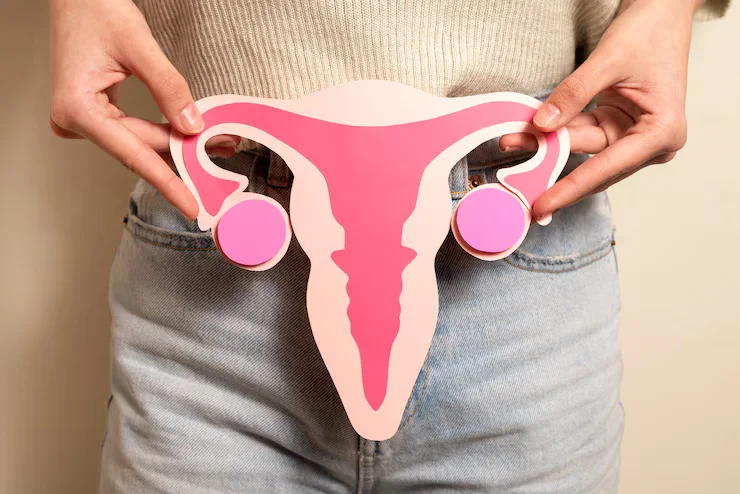
Avoid these common mistakes to ensure a smoother Vaginal Hysterectomy Recovery. Get insights on the top 5 mistakes to avoid from a reputed Gynecologist. Undergoing a vaginal hysterectomy is a significant life event, both physically and emotionally. While the procedure offers many benefits, the recovery period can be long and challenging. Making the wrong choices during recovery can lead to unnecessary complications and delays. In this post, we’ll discuss the Top 5 Mistakes to Avoid During Vaginal Hysterectomy Recovery, along with practical tips for a smoother and faster healing process. By being aware of these common mistakes, you can ensure that you follow a proper recovery path. Additionally, adhering to post-surgery guidelines will maximize your chances of a healthy, complication-free recovery. Mistake 1: Not Following Your Doctor’s Post-Surgery InstructionsMistake 2: Overexerting Yourself Too SoonMistake 3: Ignoring Signs of Infection or ComplicationsMistake 4: Neglecting Your Emotional and Mental HealthMistake 5: Failing to Get Enough Rest and SleepFrequently Asked Questions About Vaginal Hysterectomy RecoveryQ1: How long does recovery from a vaginal hysterectomy take?Q2: When can I return to work after my vaginal hysterectomy?Q3: Can I exercise during my recovery period?Q4: Is it normal to experience emotional changes during recovery?Q5: Can I drive after my vaginal hysterectomy?A Smooth Recovery for a New Beginning Mistake 1: Not Following Your Doctor’s Post-Surgery Instructions After any major surgery, including a vaginal hysterectomy, following your doctor’s advice is critical to a successful recovery. The post-operative instructions will be personalized, considering your unique health condition, surgical procedure, and potential risk factors. Some key aspects to follow include: Medications: Take any prescribed medications, including pain relievers or antibiotics, exactly as directed. Activity Restrictions: For the first few weeks, avoid heavy lifting, sexual activity, and vigorous exercise to allow your body to heal properly. Incision Care: Keep the incision area clean and dry to prevent infection. Follow any specific wound care instructions, like using certain creams or changing bandages. Ignoring these instructions, even if you feel better, can lead to infections, bleeding, or delayed healing. Remember that your recovery process is individual and should be treated with the utmost care. Mistake 2: Overexerting Yourself Too Soon One of the biggest temptations during Vaginal Hysterectomy Recovery is to rush back to normal activities. After the surgery, your body needs adequate time to heal. Overexertion can cause internal damage, complications, and prolonged recovery times. Many women feel fine after a few days,...