-
Ganesh Talkies, Kolkata
Ganesh Talkies, Kolkata

Admins
20.02.2025
Motherhood Mental Load can feel overwhelming, but with the right strategies, balance is achievable. Discover expert insights on reducing stress and managing responsibilities. The Unseen Weight of MotherhoodWhat Is the Motherhood Mental Load?Common aspects of this mental burden include:Signs That Your Mental Load Is Too HeavyEffective Strategies to Manage the Motherhood Mental Load1. Acknowledge and Share the Mental Load2. Prioritize and Delegate Tasks3. Create a Family Calendar and Use Planning Tools4. Set Healthy Boundaries and Learn to Say No5. Prioritize Self-Care Without Guilt6. Improve Communication with Your Partner7. Build a Strong Support SystemThe Role of a Gynecologist in Managing the Mental Load of MotherhoodFAQs Regarding Motherhood Mental Load1. How can I ask for help without feeling guilty?2. What are some quick stress-relief techniques for mothers?3. How do I explain my mental load to my partner?4. Can a gynecologist help with stress-related health concerns?5. How do I balance work, family, and self-care?Managing Motherhood Mental Load: Prioritize Yourself for a Healthier Life The Unseen Weight of Motherhood Motherhood is an extraordinary journey filled with unconditional love, deep connections, and a sense of fulfillment. But alongside these joys, mothers often carry a heavy invisible burden—the Motherhood Mental Load. This load isn’t just about physical exhaustion; it’s about the constant mental juggling of household responsibilities, child-rearing, career demands, and emotional support for the entire family. Many mothers feel overwhelmed, stretched too thin, and unable to take a moment for themselves. If you often find yourself remembering every doctor’s appointment, planning meals, keeping up with school events, and managing everyone’s emotions while feeling drained, you're not alone. The Motherhood Mental Load is real, but the good news is that there are ways to manage it effectively. Let’s dive into how you can lighten this load, restore balance, and reclaim your well-being. What Is the Motherhood Mental Load? The Motherhood Mental Load is the unseen effort required to keep a household running smoothly. While physical tasks like cooking, cleaning, and childcare are visible, the emotional and cognitive work behind them is often overlooked. Common aspects of this mental burden include: ✅ Planning and scheduling family events, medical appointments, and school activities.✅ Remembering grocery lists, meal prep, and dietary needs.✅ Managing household chores, laundry, and home maintenance.✅ Organizing family finances and ensuring bills are paid on time.✅ Handling emotional labor—offering emotional support to children, partner, and extended family.✅ Keeping track of birthdays, anniversaries, and social commitments.✅ Making...
Admin
20.02.2025
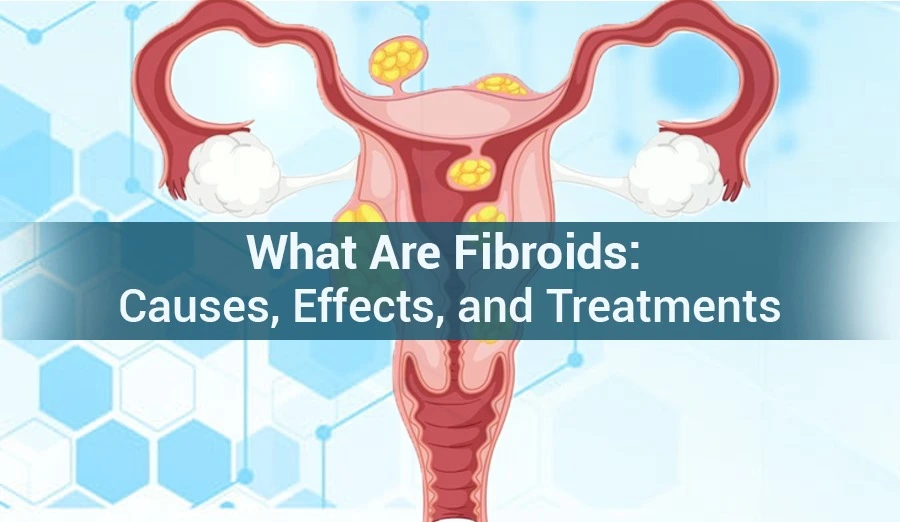
Hello Reader! Welcome to the blog page of Dr. Megha Khanna one of the best lady gynaecologist in Kolkata. Fibroids are one of the most common gynecological conditions affecting women of reproductive age. Despite being non-cancerous, they can cause discomfort and complications if left untreated. If you’re wondering what are fibroids, their causes, and how they can be treated, this article will provide an in-depth understanding. As the best lady gynecologist in Kolkata, I, Dr. Megha Khanna, am here to help you navigate this condition with expert guidance. What Are Fibroids?Causes of Fibroids1. Hormonal Imbalance2. Genetic Factors3. Lifestyle and Diet4. Stress and Environmental ToxinsEffects of Fibroids on Women’s Health1. Heavy Menstrual Bleeding (Menorrhagia)2. Pelvic Pain and Pressure3. Frequent Urination and Constipation4. Fertility Issues and Pregnancy ComplicationsTreatment Options for Fibroids1. Medications2. Non-Surgical Procedures3. Surgical TreatmentsHow do fibroids affect fertility?How do fibroids affect pregnancy and childbirth?Risks and complications:Symptoms and diagnosis:Management and treatmentCan fibroids lead to complications during childbirth?Are there any lifestyle changes that can help manage fibroids?Dietary Modifications:Weight Management:Exercise:Stress Management:Limit Harmful Substances:Other Recommendations:What specific foods should I avoid to prevent fibroid growth?FAQ1. What are fibroids?2. What causes fibroids to develop?3. What are the common symptoms of fibroids?4. How are fibroids treated?5. Can fibroids affect pregnancy?When to See a Gynecologist?Conclusion What Are Fibroids? Fibroids, also known as uterine leiomyomas, are non-cancerous growths that develop in or around the uterus. These tumors vary in size, ranging from small, pea-sized nodules to large masses that can distort the uterus. While some women may have fibroids without any symptoms, others experience severe discomfort and complications. Causes of Fibroids The exact cause of fibroids remains unknown, but several factors contribute to their development: 1. Hormonal Imbalance Estrogen and progesterone, the hormones that regulate the menstrual cycle, play a crucial role in fibroid growth. High levels of these hormones may stimulate fibroid formation, especially during reproductive years. 2. Genetic Factors If your mother or sister has fibroids, you are at a higher risk of developing them. Genetic mutations in uterine muscle cells may also trigger fibroid growth. 3. Lifestyle and Diet A diet rich in red meat, alcohol, and caffeine increases the risk of fibroids. Lack of exercise and obesity can also contribute to fibroid development. 4. Stress and Environmental Toxins Chronic stress may lead to hormonal imbalances, indirectly affecting fibroid growth. Exposure to certain chemicals, such as BPA found in plastics, may trigger fibroid formation. Effects of...
Admins
14.02.2025
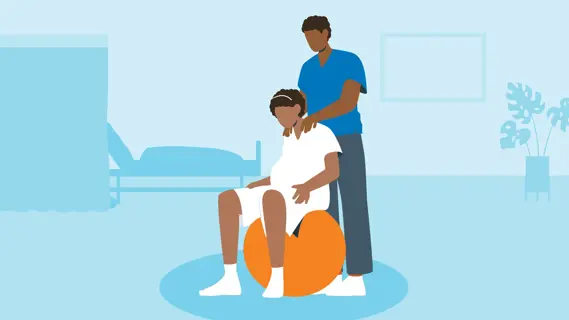
Looking for effective Natural Birth Pain Relief Methods? Discover evidence-based techniques to manage labor pain naturally, guided by expert insights from a reputed gynecologist. Empowering Your Birth: Natural Pain Relief Methods for a Smoother LaborWhy Consider Natural Pain Management During Childbirth?1. Breathing Techniques: The Foundation of Labor Pain ManagementTypes of Breathing Techniques for Labor:2. Water Therapy: Soothing Pain Through HydrotherapyHydrotherapy Benefits During Labor:Ways to Use Water Therapy:3. Massage and Counterpressure: Relieving Tension NaturallyEffective Massage Techniques for Labor:4. Movement and Positioning: Using Gravity to Your AdvantageBest Positions for Natural Pain Relief:5. Acupressure and Reflexology: Stimulating Natural Pain ReliefCommon Acupressure Points for Labor:6. Hypnobirthing: A Mental Approach to Pain ManagementBenefits of Hypnobirthing:7. Aromatherapy: Enhancing Relaxation Through ScentsBest Essential Oils for Labor:8. Creating a Supportive Birth EnvironmentHow a Birth Partner Can Help:FAQs on Natural Pain Management During Childbirth1. Is it possible to have a pain-free natural birth?2. Can I use a combination of natural and medical pain relief?3. When should I start preparing for natural childbirth?4. Can these techniques be used during a hospital birth?5. How can I ensure my birth plan includes natural pain management?Trust Your Body, Embrace Natural Birth Empowering Your Birth: Natural Pain Relief Methods for a Smoother Labor Childbirth is one of the most profound experiences a woman can go through. While labor pain is inevitable, there are numerous Natural Birth Pain Relief Methods that help women manage discomfort effectively. Instead of relying solely on medical interventions like epidurals, many expectant mothers seek natural alternatives to have a more active, connected, and fulfilling birthing experience. This guide explores various Natural Birth Pain Relief Methods, their benefits, and how they can help make labor a smoother process. Understanding these techniques will help expectant mothers feel more confident and empowered in their journey toward childbirth. Why Consider Natural Pain Management During Childbirth? Opting for natural pain relief techniques provides several benefits, including: Minimal medical interventions – Reduces the need for epidurals, medications, or C-sections. More control over the birthing process – Helps mothers stay active and engaged. Quicker postpartum recovery – Fewer medical interventions often mean a shorter recovery period. Lower risk of side effects – Avoids potential complications associated with medications. Enhances the mind-body connection – Strengthens the mother's trust in her body’s ability to give birth. Whether you are planning a home birth, hospital birth, or water birth, understanding different Natural Birth Pain Relief Methods can help you feel...
Admins
10.02.2025
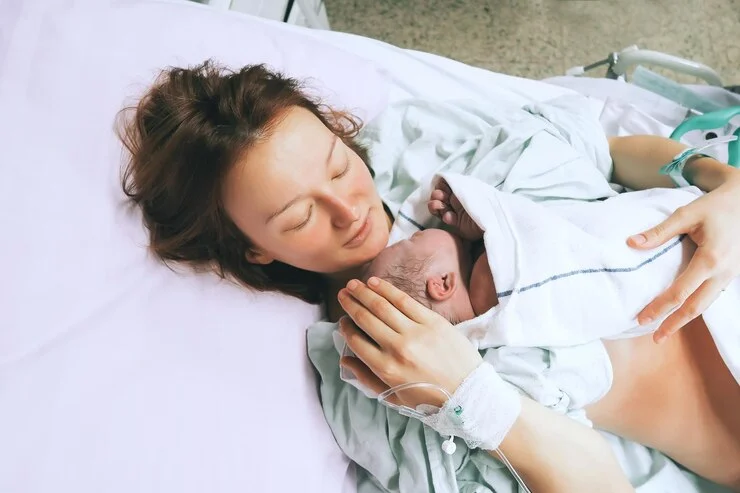
Bringing a baby into the world is a life-changing experience, and while the focus is often on labor and delivery, the postpartum recovery phase is just as important. After a natural birth, your body needs time to heal and adjust. The postpartum period can bring a mix of emotions, physical discomfort, and hormonal shifts. Understanding what to expect and how to support your recovery can help you regain strength while embracing motherhood. In this guide, we’ll explore what happens during natural birth recovery, practical healing tips, signs to watch out for, and when to seek professional help from a reputed gynecologist for personalized postpartum care. What Happens During Natural Birth Recovery?1. Uterine Contractions (Afterpains)2. Perineal Discomfort and Healing3. Lochia (Postpartum Bleeding)4. Breast Changes and Engorgement5. Hormonal Shifts and Mood Swings6. Fatigue and Sleep ChallengesEssential Healing Tips for Natural Birth Recovery1. Prioritize Rest & Sleep2. Manage Perineal Pain & Swelling3. Support Postpartum Bleeding & Hygiene4. Eat a Nutrient-Rich Diet for Faster Healing5. Care for Your Emotional Well-Being6. Support Breastfeeding & Reduce Engorgement7. Ease Postpartum Constipation8. Start Light Exercise GraduallyNatural Birth Recovery: When to Seek Medical AttentionFAQs About Natural Birth Recovery1. How long does natural birth recovery take?2. When can I resume normal activities?3. How can I relieve postpartum pain naturally?4. Is postpartum depression normal?5. Can I have intercourse after giving birth?How a Trusted Expert Can Guide Your Natural Birth RecoveryPrioritize Self-Care for a Smooth & Healthy Postpartum Recovery What Happens During Natural Birth Recovery? Every mother’s recovery journey is unique, but most women experience common postpartum changes as their bodies heal. Here’s what to expect after a vaginal birth: 1. Uterine Contractions (Afterpains) Your uterus, which expanded during pregnancy, begins shrinking back to its normal size after delivery. This process, known as involution, can cause cramping, especially during breastfeeding. These contractions are a sign that your body is healing. 2. Perineal Discomfort and Healing The perineum (the area between the vagina and anus) may be sore due to stretching or tearing during birth. If stitches were required, healing may take a little longer, but proper care can speed up the process. 3. Lochia (Postpartum Bleeding) Lochia is the vaginal discharge that includes blood, mucus, and uterine tissue. It lasts for about 4-6 weeks and gradually changes from bright red to pink, then yellowish-white. 4. Breast Changes and Engorgement In the first few days postpartum, your body produces colostrum, a nutrient-rich milk...