-
Ganesh Talkies, Kolkata
Ganesh Talkies, Kolkata
Admin
13.06.2025
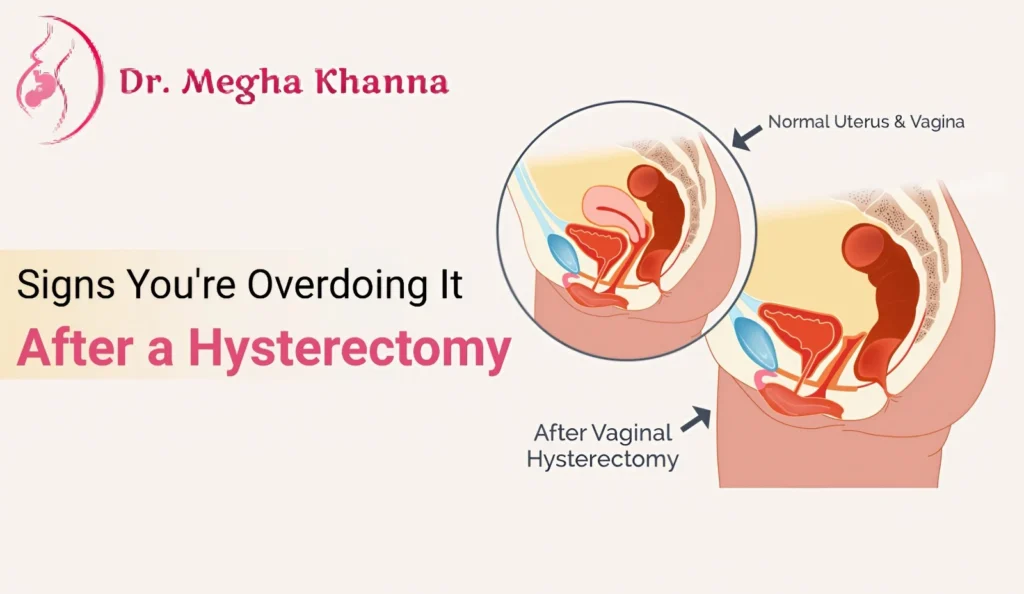
Hello Reader! Welcome to the blog page of Dr. Megha Khanna, one of the best lady gynecologist in Kolkata. A hysterectomy—the surgical removal of the uterus—is a major procedure that many women undergo for various medical reasons such as fibroids, heavy bleeding, endometriosis, uterine prolapse, or cancer. While the surgery can be life-improving, the recovery process requires patience and care. As one of the best lady gynecologists in Kolkata, I have often seen patients unknowingly delay their healing by doing too much too soon. Whether the surgery was performed abdominally, laparoscopically, or vaginally, understanding the limits of your post-operative body is crucial. In this blog, let me guide you through the key signs that you're overdoing it after a hysterectomy and how to ensure a smoother recovery. 1. Increased Vaginal Bleeding or Spotting2. Pelvic or Abdominal Pain That Returns or Worsens3. Swelling or Redness Around the Incision Area4. Exhaustion Beyond Normal Fatigue5. Urinary or Bowel Issues6. Emotional Distress or Mood SwingsTips to Avoid Overdoing It After a HysterectomyHow can you differentiate between normal recovery and overexertion post-hysterectomy with guidance from the best lady gynecologist in Kolkata?Normal Recovery SignsWarning Signs of OverexertionWhat to Do If You Suspect OverexertionExpert AdviceHow can I tell if my pain or bleeding is normal or a sign to rest more post-hysterectomy?Normal Pain and BleedingSigns You Need to Rest More or Seek Medical AdviceWhat to Do How do I distinguish normal bleeding from signs of a complication after hysterectomy?Normal Bleeding After HysterectomySigns of ComplicationWhy is listening to my body's signals crucial for a safe recovery after hysterectomy?FAQ1. How do I know if I'm overdoing it after a hysterectomy?2. Is it normal to have bleeding weeks after a hysterectomy?3. Can physical activity slow down recovery after a hysterectomy?4. What kind of pain indicates I’m doing too much post-surgery?5. When should I contact my doctor after a hysterectomy?Final Thoughts from Dr. Megha Khanna 1. Increased Vaginal Bleeding or Spotting One of the earliest and most obvious signs that you’re overexerting yourself post-hysterectomy is unexpected vaginal bleeding. While light spotting may be normal, bright red bleeding or an increase in flow indicates that you may be straining your internal sutures. If you notice a sudden change in bleeding, consult with the best lady gynecologist in Kolkata without delay to avoid complications. 2. Pelvic or Abdominal Pain That Returns or Worsens Mild discomfort is expected during healing. However, if your pelvic or...

Admins
12.06.2025
A hormonal imbalance can deeply impact Your Reproductive Health. Understand its causes, effects, and solutions from an expert lady gynecologist. Understanding Hormonal Imbalance and Its Link to Your Reproductive Health In today’s fast-paced world, hormonal health is quietly shaping our overall well-being, especially when it comes to your reproductive health. Yet, many women overlook subtle signs, dismissing them as stress or fatigue. However, even slight imbalances in your hormones can influence everything from mood swings to fertility. Hormones act as chemical messengers that regulate major processes in the body. When these messengers become imbalanced—either in quantity or timing—the ripple effect on reproductive organs can be significant. Understanding Hormonal Imbalance and Its Link to Your Reproductive HealthWhat Is Hormonal Imbalance?Signs That Hormones May Be Affecting Your Reproductive HealthHow Hormonal Imbalance Impacts Your Reproductive Health1. Menstrual Cycle Disruption2. Infertility Challenges3. Polycystic Ovary Syndrome (PCOS)4. Endometriosis and Estrogen Dominance5. Thyroid DisordersLifestyle Factors That Influence Hormonal BalanceDiet and NutritionStress ManagementSleep HygieneExercise in ModerationWhen to Seek Professional GuidanceFAQs About Hormonal Imbalance and Reproductive HealthQ1: How do I know if my symptoms are caused by hormonal imbalance?Q2: Can hormonal imbalance be treated naturally?Q3: Does hormonal imbalance always lead to infertility?Q4: Is hormonal testing painful or invasive?Q5: Can birth control help with hormonal imbalance?Small Changes, Big Impact: Protecting Your Reproductive Health Whether you’re trying to conceive, managing painful cycles, or simply aiming for hormonal harmony, this post offers insight into how imbalances can affect your reproductive system and what you can do about them. What Is Hormonal Imbalance? Hormonal imbalance refers to too much or too little of certain hormones in the bloodstream. These imbalances can occur due to natural life phases (like puberty, pregnancy, or menopause) or underlying conditions such as: Polycystic Ovary Syndrome (PCOS) Thyroid dysfunction Chronic stress Obesity or eating disorders Insulin resistance Some imbalances are temporary, while others may require long-term management. Either way, your body will often signal that something is off, especially in your reproductive system. Signs That Hormones May Be Affecting Your Reproductive Health If you’ve been feeling "off" but can’t quite pinpoint why, your hormones might be sending signals. Below are common symptoms that hint at an underlying imbalance: Irregular or missed periods Heavy bleeding or spotting between cycles Excessive acne or oily skin Unexplained weight gain or loss Mood swings or anxiety Difficulty conceiving Low libido or painful intercourse Fatigue, even after adequate sleep While occasional changes can...

Admins
06.06.2025
What to Eat During Pregnancy for Brain Growth? Learn key nutrients and expert tips from a reputed gynecologist to support your baby’s development. Pregnancy is a beautiful and delicate journey where every bite you take can play a role in shaping your baby’s health and future. Among the many concerns new mothers have, one that consistently stands out is this: how can I boost my baby’s brain development through nutrition? It’s a valid question, because what you eat during pregnancy not only supports your body, but also helps develop your baby’s nervous system, cognitive functions, and emotional regulation. Why Nutrition Matters for Brain DevelopmentKey Nutrients That Support Baby’s Brain Development1. Omega-3 Fatty Acids (DHA and EPA)2. Choline3. Folate (Vitamin B9)4. Iodine5. Iron6. Protein7. Antioxidants (Vitamins C & E)What to Eat During Pregnancy: Sample Brain-Boosting MealsBreakfastLunchSnackDinnerThe Role of Expert Guidance During PregnancyLifestyle Tips to Complement NutritionMost Asked FAQs: What to Eat During PregnancyNurture Baby’s Brain with Every Bite Let’s explore the science-backed, easy-to-follow nutritional tips to help you make smart dietary choices during pregnancy. Why Nutrition Matters for Brain Development A baby’s brain begins to form in the first trimester and continues to grow rapidly through pregnancy and into early childhood. During this period, the brain builds neurons, neural pathways, and brain tissue—each of which requires specific nutrients. Mothers often focus on what to avoid, but knowing what to eat during pregnancy to optimize brain growth is just as important. Key Nutrients That Support Baby’s Brain Development Scientific studies and clinical expertise highlight the following nutrients as vital for fetal brain development: 1. Omega-3 Fatty Acids (DHA and EPA) Essential for the development of the baby's brain and eyes. Found in: Fatty fish (like salmon, sardines) Flaxseeds and chia seeds Walnuts DHA-fortified eggs Omega-3s are particularly crucial during the third trimester when the baby’s brain growth is at its peak. 2. Choline Plays a key role in memory and learning. Most Indian diets are low in choline, making it a hidden deficiency. Found in: Eggs (especially yolks) Chicken and lean meats Cauliflower Whole grains 3. Folate (Vitamin B9) Folate supports neural tube formation and reduces the risk of cognitive defects. Found in: Green leafy vegetables Lentils and legumes Oranges Fortified cereals 4. Iodine Supports thyroid function in the mother, which is critical for baby’s brain and overall development. Found in: Iodized salt Yogurt Eggs Seaweed (used cautiously) 5. Iron Oxygen supply...
Admins
02.06.2025
Hormonal Imbalance in Women can show up in subtle ways—recognizing early signs helps you act fast. Learn from trusted experts in women's health. Hormones are powerful chemical messengers that play a vital role in how your body functions—from your metabolism and mood to reproductive health and skin. When these hormones are even slightly off balance, it can lead to noticeable—and often confusing—symptoms. While hormonal fluctuations are normal during certain life stages like puberty, menstruation, pregnancy, or menopause, Hormonal Imbalance in Women outside of these times can be a sign that something deeper is going on. Why Recognizing Hormonal Imbalance Early MattersMost Common Early Signs of Hormonal Imbalance in Women1. Irregular Periods2. Unexplained Weight Fluctuations3. Mood Swings and Anxiety4. Chronic Fatigue or Low Energy5. Skin and Hair Changes6. Sleep Disturbances7. Low Libido or Vaginal DrynessWhat Causes Hormonal Imbalance in Women?When to Consult a SpecialistDiagnosing Hormonal ImbalanceTreatment & Management OptionsCommon Clinical Treatments:Natural and Lifestyle-Based Approaches:Understanding Hormonal Imbalance in Women and Its Broader ImpactMost Asked FAQs About Hormonal Imbalance in WomenQ1: Can hormonal imbalance go away on its own?Q2: At what age do hormonal imbalances typically begin?Q3: Is it possible to have hormonal imbalance without irregular periods?Q4: Are hormonal imbalances always linked to menopause?Q5: What tests are commonly done to detect hormonal imbalance?Your Well-being Is Worth It—Don’t Ignore Hormonal Imbalance Let’s explore how you can recognize these early signs, what they may mean for your body, and when it’s time to seek expert help. Why Recognizing Hormonal Imbalance Early Matters When left undiagnosed, hormonal issues can silently impact multiple areas of your health. From menstrual irregularities and skin problems to long-term fertility issues and mental health struggles, the domino effect can be significant. Early recognition allows for early intervention—and often, lifestyle changes or minimal medical help can correct the issue before it becomes more serious. Most Common Early Signs of Hormonal Imbalance in Women Hormonal imbalances don’t always come with flashing warning signs. Instead, they tend to whisper—little changes in your body that, if observed closely, can reveal a lot. Here are some of the most common early indicators: 1. Irregular Periods Skipped periods or cycles that are shorter/longer than usual Extremely heavy or light bleeding Spotting between periods If your menstrual cycle suddenly becomes unpredictable, it’s worth paying attention. 2. Unexplained Weight Fluctuations Rapid weight gain (especially around the belly) Difficulty losing weight despite diet and exercise Muscle loss or weakness These...