-
Ganesh Talkies, Kolkata
Ganesh Talkies, Kolkata
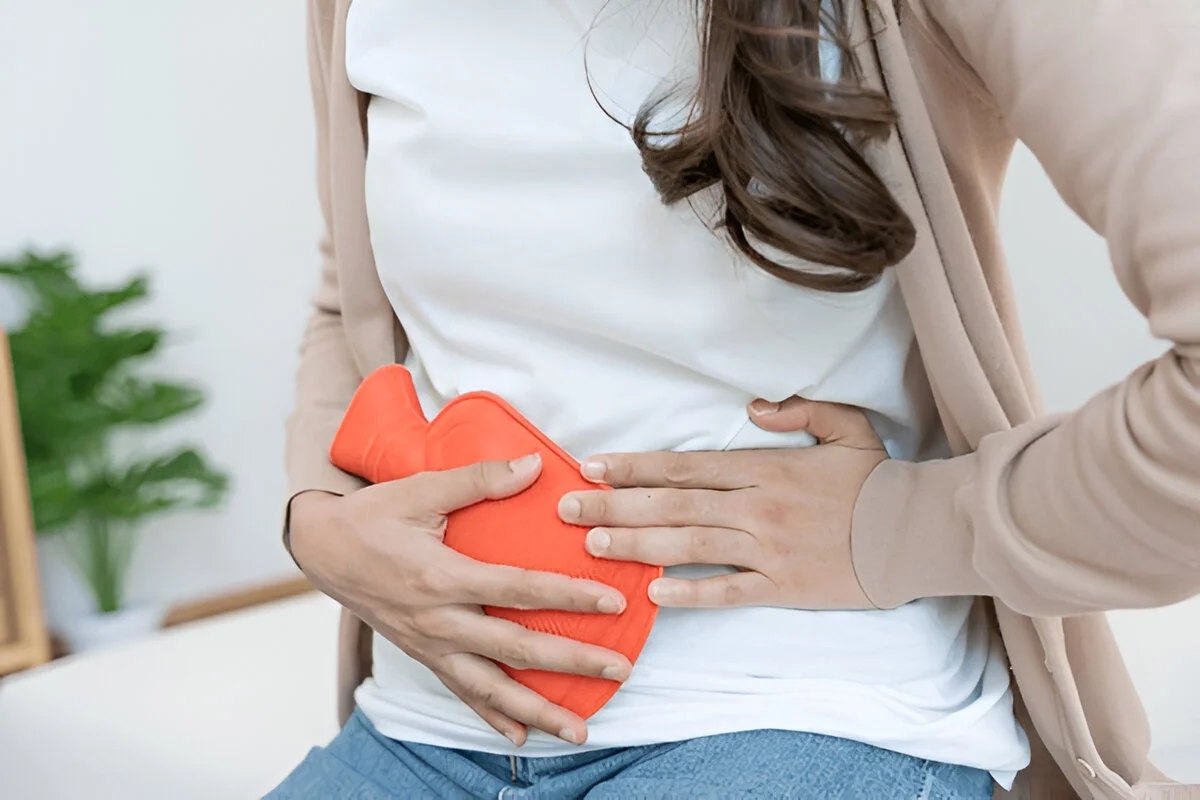
Painful periods can disrupt life, but are treatable with expert care. Learn why women experience cramps and how a reputed gynecologist can help.
For many women, periods are an inevitable part of life—a monthly reminder of their body’s natural cycle. But for some, menstruation comes with an added burden: painful periods that make even the simplest tasks feel overwhelming.
If you’ve ever found yourself curled up in bed with heating pads or reaching for painkillers every month, you’re not alone. It’s estimated that nearly 70% of women experience menstrual cramps at some point in their lives. But why do some women have more severe pain than others? And when should you seek help?
Let’s dive into the causes, symptoms, and remedies for painful periods to help you understand your body better.
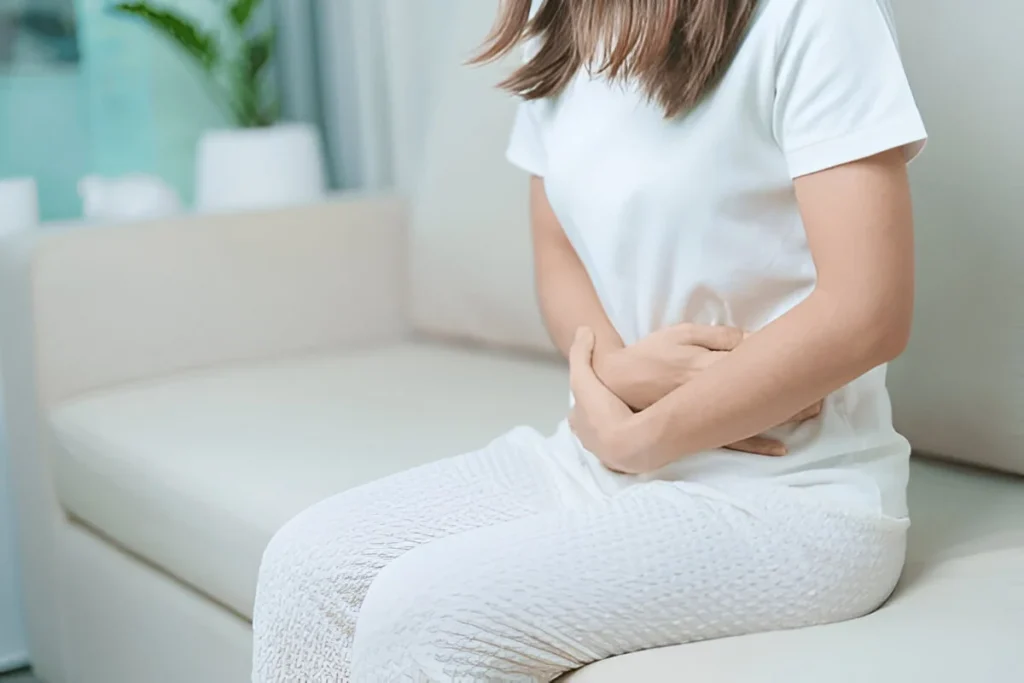
Painful periods, also called dysmenorrhea, refer to cramping pain in the lower abdomen during menstruation. These cramps occur because of uterine muscle contractions triggered by hormone-like substances called prostaglandins.
There are two main types of dysmenorrhea:
While mild cramps are normal, some women experience debilitating pain that affects work, studies, and social life. The reasons for this vary:
It’s essential to recognize when period pain might signal a more serious issue. Consider consulting a good gynecologist if you:
Early diagnosis can prevent complications and improve your quality of life.
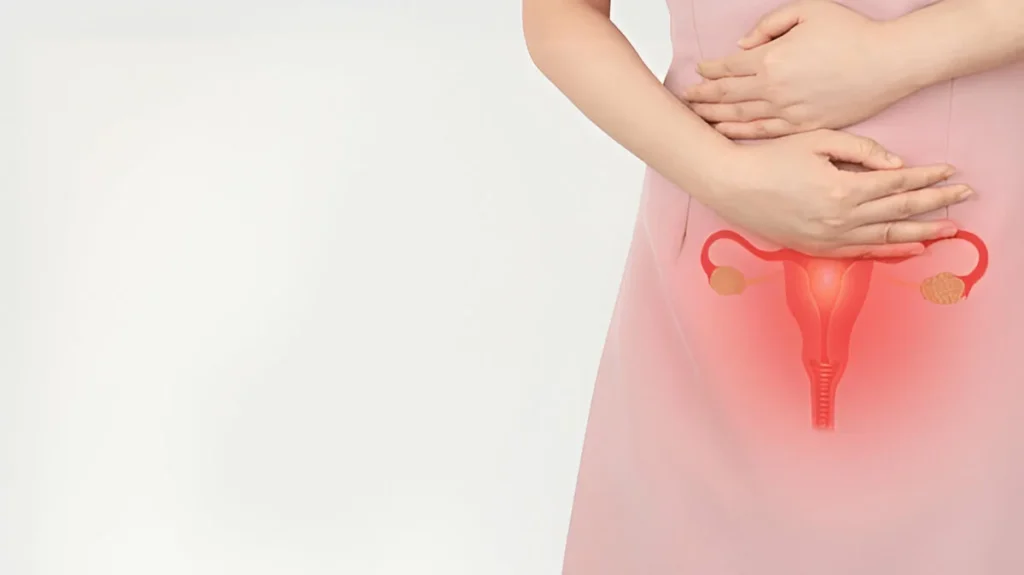
While period pain can be distressing, several remedies and treatments can bring relief:
For women seeking holistic approaches, these natural remedies can complement medical advice:
If painful periods disrupt your life, remember: you don’t have to suffer in silence. Modern medicine offers multiple solutions tailored to your needs. Consulting a compassionate and skilled expert like Dr. Megha Khanna, recognized as the best lady gynecologist in Kolkata, can help you identify the root cause and find lasting relief.
Q1. Are painful periods normal for teenagers?
Mild cramps are common, but if the pain prevents daily activities, it’s worth consulting a doctor.
Q2. How can I tell if I have endometriosis?
Chronic pelvic pain, pain during intercourse, and infertility are common signs. A gynecologist can confirm the diagnosis.
Q3. Can birth control help with painful periods?
Yes, hormonal birth control can regulate cycles and reduce cramp intensity.
Q4. Do menstrual cups worsen period pain?
Not usually. In fact, some women find cups more comfortable than pads or tampons.
Q5. Should I exercise during my period if I have cramps?
Gentle exercises like yoga or walking can actually ease cramps.
Painful periods are more than just an inconvenience—they can be a sign of underlying health concerns that deserve attention. Whether it’s lifestyle changes, home remedies, or medical treatments, relief is possible. Don’t hesitate to consult an expert if you experience severe pain.
With proper care and guidance from a trusted professional, you can navigate your menstrual health confidently and reclaim your comfort.


