-
Ganesh Talkies, Kolkata
Ganesh Talkies, Kolkata
Hello Reader!
Welcome to the blog page of Dr. Megha Khanna, the best lady gynecologist in Kolkata.
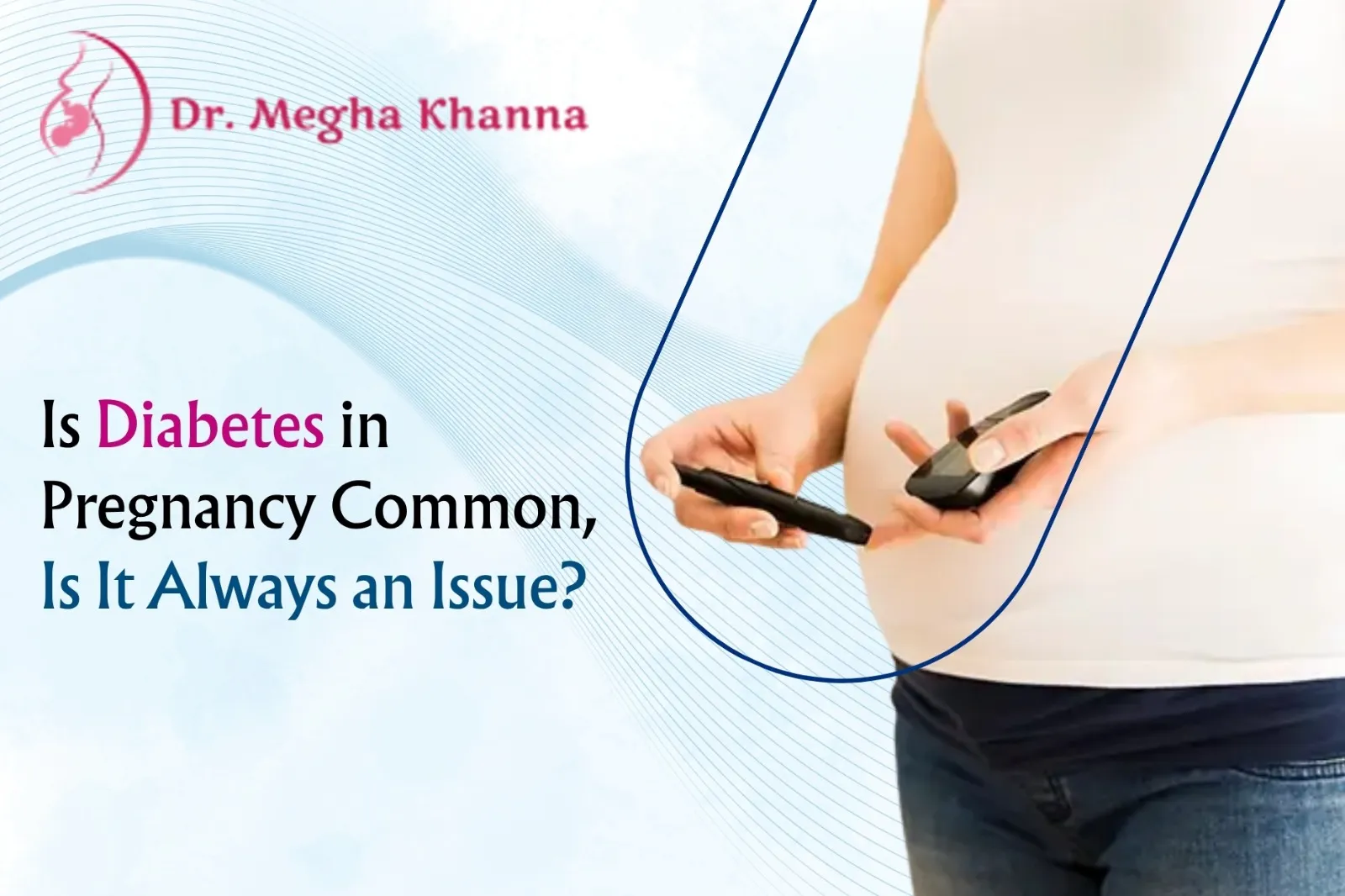
Pregnancy is a beautiful journey, but it also comes with several health considerations. One common concern many expectant mothers have is diabetes in pregnancy. Is it normal? Does it always lead to complications? And how can it be managed safely?
As Dr. Megha Khanna, widely regarded as the best lady gynecologist in Kolkata, I often counsel patients that while diabetes in pregnancy is relatively common, it does not always mean a problematic pregnancy—especially when managed properly.

Diabetes in pregnancy, also known as gestational diabetes, occurs when blood sugar levels become elevated during pregnancy. This typically develops in the second or third trimester and usually resolves after childbirth.
However, it requires careful monitoring because uncontrolled blood sugar levels can affect both mother and baby.
You might be surprised to know that diabetes in pregnancy is quite common. Studies suggest that around 5–10% of pregnant women may develop gestational diabetes.
Factors that increase the risk include:
Consulting the best lady gynecologist in Kolkata helps in early detection and prevention of complications.
A very important question many women ask is: Is diabetes in pregnancy always dangerous?
The answer is No, not always.
With proper medical care and lifestyle management, most women with diabetes in pregnancy have healthy pregnancies and healthy babies. The key lies in early diagnosis and strict control of blood sugar levels.
While diabetes in pregnancy is manageable, ignoring it can lead to complications such as:
This is why regular check-ups with the best lady gynecologist in Kolkata are essential.
In many cases, diabetes in pregnancy may not show noticeable symptoms. However, some signs may include:
Routine screening is the most reliable way to detect it early.

Diagnosis usually involves:
These tests are typically done between 24–28 weeks of pregnancy.
The good news is that diabetes in pregnancy can be effectively managed with the right approach.
While not always preventable, you can reduce the risk by:
In most cases, diabetes in pregnancy resolves after childbirth. However, women who have had it are at a higher risk of developing type 2 diabetes later in life.
Regular follow-ups are important even after delivery.
Welcome back! I’m Dr. Megha Khanna, the best lady gynecologist in Kolkata, and today we’re tackling one of the most empowering aspects of diabetes in pregnancy: management through diet and exercise. Up to 70-80% of cases can be controlled without medication using these strategies, leading to healthier moms and babies. In Kolkata’s vibrant food scene, balancing tradition with health is key. Let’s break it down with actionable advice from my clinic.
During diabetes in pregnancy, your body needs steady energy without blood sugar spikes. Diet stabilizes glucose, while exercise boosts insulin sensitivity. Together, they reduce risks like cesarean deliveries by 30%. As the best lady gynecologist in Kolkata, I’ve seen patients reverse mild cases entirely through these changes—no insulin required.
Focus on balanced, low-glycemic meals: 40-50% carbs, 20-30% proteins, 20-30% healthy fats. Aim for 1,800-2,200 calories daily, split into 6 small meals.
Track with a food diary; I provide apps in my consultations.
30-45 minutes daily, 5 days a week, keeps blood sugar in check. Start slow, consult first.
Check fasting (<95 mg/dL) and 1-hour post-meal (<140 mg/dL) sugars. Weekly weigh-ins prevent excess gain (11-16 kg total ideal).
If levels stay high, we add medication safely.
Managing diabetes in pregnancy thrives with guidance. Contact Dr. Megha Khanna, the best lady gynecologist in Kolkata, for customized plans, dietitian referrals, and yoga recommendations.

As Dr. Megha Khanna, the best lady gynecologist in Kolkata, I often tell my patients that knowledge is your best defense against diabetes in pregnancy. This condition, also called gestational diabetes, affects thousands of pregnancies each year, but understanding the risk factors empowers you to act early. In this section, we’ll dive into the key risks, why they matter, and how to mitigate them—drawing from my extensive experience treating women across Kolkata.
Diabetes in pregnancy arises when pregnancy hormones interfere with insulin function, causing high blood sugar. While it can happen to anyone, certain factors spike your odds. In India, especially urban hubs like Kolkata, rates hover at 15-20% due to genetics and lifestyle. Spotting risks early allows screening and management, preventing complications like macrosomia or preeclampsia. As the best lady gynecologist in Kolkata, I’ve helped countless women lower their risks through proactive care.
Some risks are baked in, but awareness guides your prenatal strategy.
The great news? Many risks are lifestyle-driven and reversible before or during pregnancy.
In our humid, fast-paced city, factors like stress from long commutes, festive overeating, and vitamin D deficiency (from indoor lifestyles) amplify diabetes in pregnancy risks. Air pollution may play a subtle role too. As the best lady gynecologist in Kolkata, I recommend culturally adapted plans: think walking in Rabindra Sarobar or balanced Bengali thalis.
Take Action Today:
Also Read: Best Sleeping Postures After Laparoscopy Surgery

Congratulations on your little one! I’m Dr. Megha Khanna, the best lady gynecologist in Kolkata, and if you had diabetes in pregnancy (gestational diabetes), your journey isn’t over yet. Up to 50-70% of women develop type 2 diabetes within 5-10 years postpartum, but simple steps can slash that risk. This guide shares my proven tips for long-term health, tailored for busy Kolkata moms.
Diabetes in pregnancy often signals future risks like insulin resistance. Post-delivery, hormone shifts can mask issues, but screening catches them early. In India, where type 2 diabetes is epidemic, proactive care prevents complications like heart disease. As the best lady gynecologist in Kolkata, I prioritize 6-week check-ups to guide your recovery.
Your first line of defense: Test promptly.
Normal results? Annual fasting glucose tests ahead.
Sustain the habits from pregnancy— they work wonders postpartum.
Combat urban challenges: Heat calls for early morning walks; traffic stress? Breathing exercises. Vaccinate baby against infections while you heal.
Symptoms like fatigue, thirst, or weight changes? Don’t delay. Dr. Megha Khanna, the best lady gynecologist in Kolkata, offers family planning advice to space pregnancies safely.
You should immediately consult the best lady gynecologist in Kolkata if:
Early intervention ensures a safer pregnancy journey.

Diabetes in pregnancy is quite common and affects around 5–10% of pregnant women, especially those with certain risk factors.
No, diabetes in pregnancy is not always dangerous. With proper monitoring and treatment, most women have a healthy pregnancy and baby.
It is mainly caused by hormonal changes during pregnancy that affect insulin function, leading to increased blood sugar levels.
If not controlled, it can lead to complications like high birth weight or low blood sugar in the baby. However, proper care reduces these risks significantly.
In most cases, it goes away after childbirth, but the mother may have a higher risk of developing diabetes later in life.
To conclude, diabetes in pregnancy is common but manageable. It does not always lead to complications if diagnosed early and treated properly.
With expert guidance from Dr. Megha Khanna, recognized as the best lady gynecologist in Kolkata, you can ensure a safe and healthy pregnancy for both mother and baby.


