-
Ganesh Talkies, Kolkata
Ganesh Talkies, Kolkata
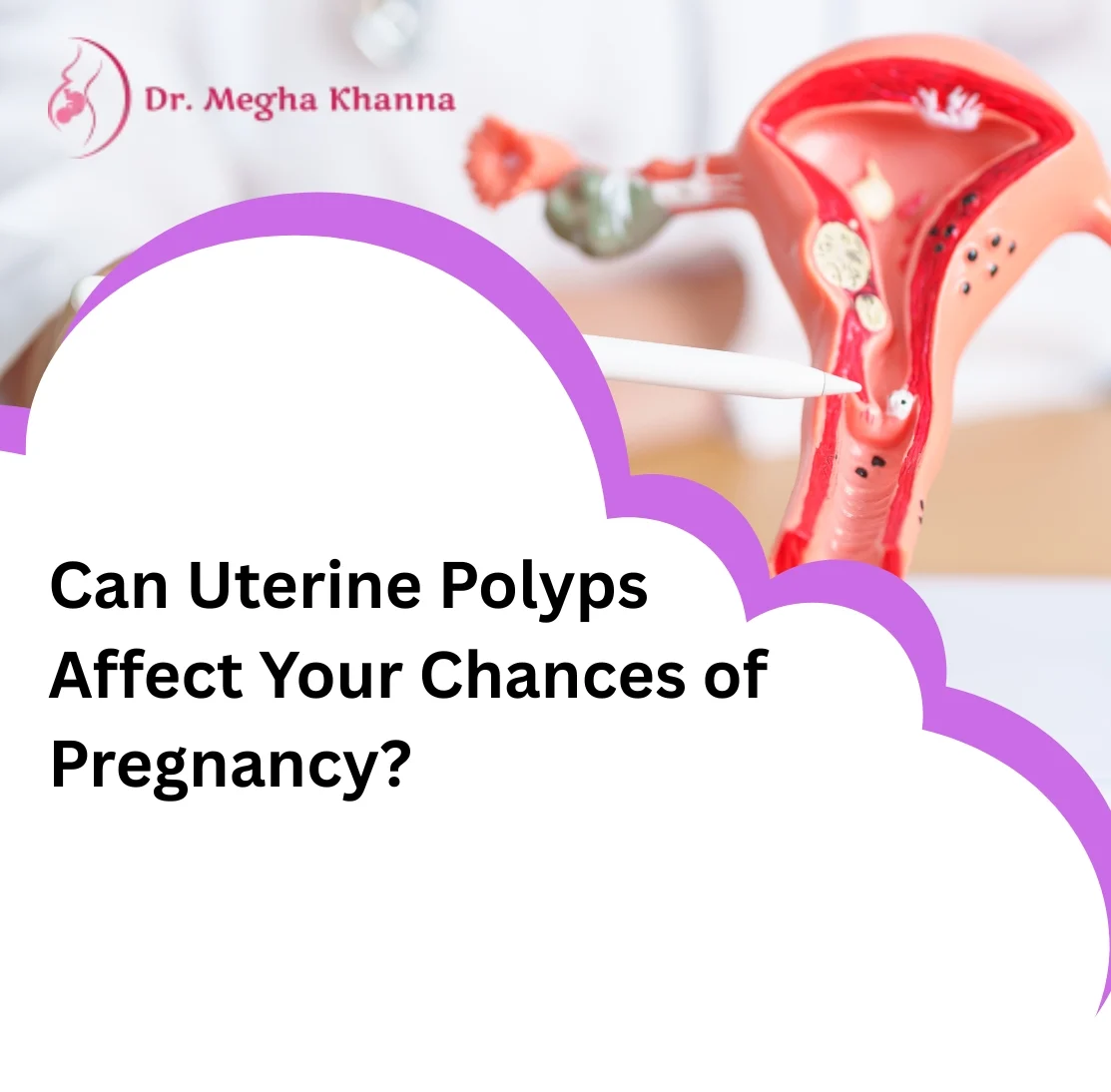
Uterine polyps are common yet often overlooked causes of irregular bleeding and infertility. Early diagnosis and minimally invasive treatment improve pregnancy outcomes. Consulting a best lady gynecologist in Kolkata and Hysteroscopy and Polypectomy surgeon in Kolkata like Dr Megha Khanna ensures safe evaluation, fertility-focused management, and evidence-based women’s healthcare.
When patients ask, “What is a uterine polyp? How does it affect pregnancy?”, it’s essential to explain clearly and medically.
Dr Megha Khanna, recognized as a best lady gynecologist in Kolkata and trusted Hysteroscopy and Polypectomy surgeon in Kolkata, provides advanced diagnosis and fertility-preserving treatment.
What is a uterine polyp?
A uterine polyp is a small, soft growth attached to the inner lining of the uterus (endometrium).
How does it affect pregnancy?
It may interfere with implantation, increase miscarriage risk, or cause infertility if untreated.
A uterine polyp:
As a leading lady gynecologist in Kolkata, Dr Megha Khanna emphasizes early ultrasound screening for women with irregular bleeding.
A specialized Hysteroscopy and Polypectomy surgeon in Kolkata ensures precise classification and removal.
Polyps grow due to estrogen stimulation, affecting ovulation cycles.
Common symptoms include:
If experiencing these, consult a best lady gynecologist in Kolkata immediately.
Dr Megha Khanna, an experienced Hysteroscopy and Polypectomy surgeon in Kolkata, uses:
Hysteroscopy remains the gold standard.
A minimally invasive procedure where a thin camera is inserted into the uterus to visualize and remove polyps.
Choosing a best lady gynecologist in Kolkata ensures safety and expertise.
| Feature | Uterine Polyp | Healthy Uterus |
| Implantation | May block embryo | Supports implantation |
| Bleeding | Irregular | Regular cycles |
| Inflammation | Possible | Minimal |
| Fertility | Reduced | Normal |
| Treatment Needed | Often yes | No |
After removal:
Dr Megha Khanna, a trusted Hysteroscopy and Polypectomy surgeon in Kolkata, reports significant fertility improvement post-procedure.
Early consultation with a best lady gynecologist in Kolkata is essential.
Most are benign. However:
A qualified Hysteroscopy and Polypectomy surgeon in Kolkata ensures complete evaluation.
Follow-up care from a best lady gynecologist in Kolkata ensures smooth recovery.
Consult immediately if you experience:
Dr Megha Khanna combines advanced surgical expertise with compassionate care
✔ Experienced gynecologist
✔ Advanced hysteroscopic surgeon
✔ Fertility-focused treatment
✔ Personalized care
✔ Evidence-based medical approach
As a best lady gynecologist in Kolkata and skilled Hysteroscopy and Polypectomy surgeon in Kolkata, she ensures safe and effective management.
If you are wondering, “What is a uterine polyp? How does it affect pregnancy?”, the key is early diagnosis and timely treatment.
Consulting a best lady gynecologist in Kolkata and an expert Hysteroscopy and Polypectomy surgeon in Kolkata like Dr Megha Khanna can significantly improve reproductive health and pregnancy success.
Early care today ensures healthier motherhood tomorrow.
1. What is a uterine polyp in simple words?
A uterine polyp is a small growth inside the uterus lining that can cause irregular bleeding and sometimes fertility problems.
2. Can I get pregnant with a uterine polyp?
Yes, but large polyps may reduce implantation chances. Removal by a Hysteroscopy and Polypectomy surgeon in Kolkata improves fertility.
3. Is hysteroscopy painful?
It is minimally invasive and usually done under anesthesia with quick recovery.
4. Do uterine polyps always need surgery?
Small asymptomatic polyps may be monitored, but fertility-related polyps require removal.
5. Who is the best lady gynecologist in Kolkata for uterine polyp treatment?
Dr Megha Khanna is recognized as a best lady gynecologist in Kolkata specializing in hysteroscopic polypectomy and fertility care.


