-
Ganesh Talkies, Kolkata
Ganesh Talkies, Kolkata
Admins
04.04.2025
Reproductive Health is increasingly affected by environmental toxins in our daily lives. Learn how these toxins influence fertility and hormonal balance, and how to protect yourself. The Invisible Threat Around UsWhat Are Environmental Toxins?How Environmental Toxins Affect Reproductive Health1. Hormonal Imbalances2. Fertility Challenges3. Pregnancy Complications4. Developmental Problems in OffspringWhere Do These Toxins Hide? (Common Everyday Sources)At HomeIn FoodIn Personal CareThe Long-Term Impact: What Science SaysSigns Your Reproductive Health Might Be AffectedHow to Reduce Your Exposure to Environmental ToxinsProtective Lifestyle Changes:Choose Safer Products:Stay Informed:The Importance of Comprehensive careFAQs About Environmental Toxins and Reproductive HealthQ1. Are all plastics bad for fertility?Q2. Can environmental toxins be removed from the body?Q3. Is there a test to check toxin levels?Q4. How do toxins affect men’s reproductive health?Q5. Are natural products always safe?Empower Yourself Through Awareness The Invisible Threat Around Us In today's fast-paced world, we’re more connected, more informed, and—unfortunately—more exposed to environmental toxins than ever before. From the air we breathe to the food we eat and the products we use daily, hidden chemicals are silently impacting our health, particularly our Reproductive Health. What’s more alarming is that these effects aren’t always immediate. For many individuals and couples struggling with fertility issues, irregular periods, or hormonal imbalances, the real culprit might be lurking in their everyday environment. This article aims to uncover how environmental toxins can interfere with hormonal balance, fertility, and reproductive function. As we dive deeper, you’ll understand the science, recognize the sources, and learn actionable ways to reduce your exposure. What Are Environmental Toxins? Environmental toxins refer to harmful chemicals and substances in our surroundings—natural or manmade—that have adverse health effects. These include: Pesticides and herbicides Heavy metals like lead, mercury, and cadmium Industrial chemicals such as dioxins and PCBs Plastics and plasticizers (BPA, phthalates) Household and cosmetic products containing synthetic fragrances and parabens Many of these toxins are classified as endocrine-disrupting chemicals (EDCs), meaning they interfere with our body's hormonal system—leading to complications especially linked to Reproductive Health. How Environmental Toxins Affect Reproductive Health 1. Hormonal Imbalances Endocrine disruptors can mimic, block, or alter the natural hormones in the body, including estrogen and testosterone. This may result in: Irregular menstrual cycles Early onset of puberty Lowered sperm count in men Ovulatory dysfunction in women 2. Fertility Challenges Both male and female fertility are at risk due to toxin exposure: In men: Decreased sperm motility and abnormal morphology In women: Difficulty...
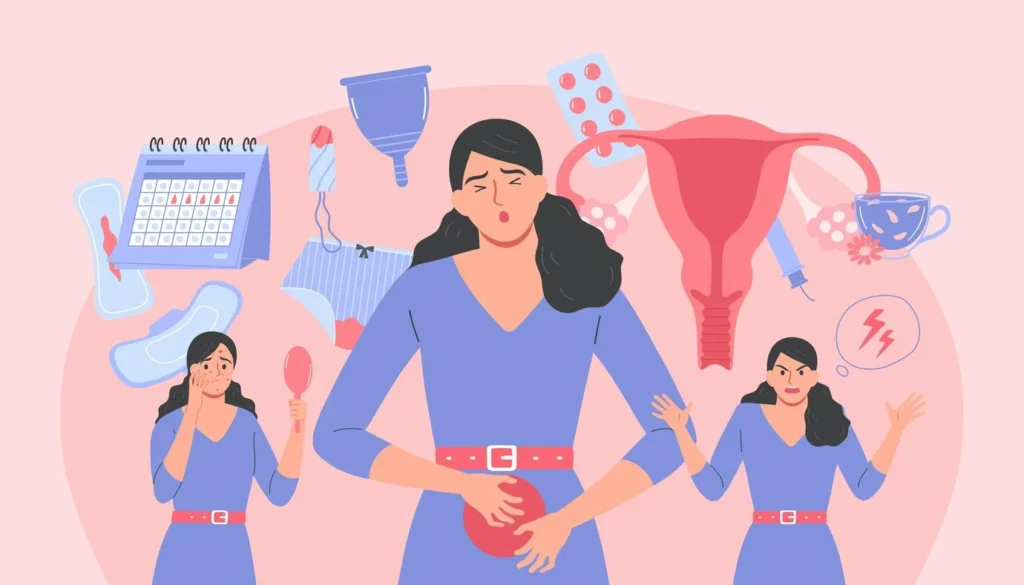
Admins
31.03.2025
Women with PCOS are at a higher risk of diabetes. Recognizing the early warning signs and taking preventive measures can make a significant difference. Seeking guidance from one of the best gynecologists can help you manage symptoms effectively and maintain long-term health. Polycystic Ovary Syndrome (PCOS) is a common hormonal disorder affecting many women worldwide. While it primarily impacts reproductive health, it is also closely linked to metabolic issues, particularly insulin resistance. Women with PCOS are at a significantly higher risk of developing type 2 diabetes due to imbalanced insulin levels. The Link Between PCOS and DiabetesWhy Are Women with PCOS More at Risk?Early Signs of Diabetes in Women with PCOS1. Frequent Thirst and Increased Urination2. Unexplained Weight Changes3. Persistent Fatigue4. Darkened Skin Patches (Acanthosis Nigricans)5. Increased Hunger and Sugar Cravings6. Blurred Vision7. Slow-Healing Wounds8. Frequent Infections9. Tingling or Numbness in Hands and Feet10. Irregular Menstrual CyclesHow to Reduce the Risk of Diabetes in Women with PCOS1. Adopt a Balanced Diet2. Maintain a Healthy Weight3. Monitor Blood Sugar Levels4. Manage Stress Levels5. Get Regular Medical Check-UpsWhen to See a Doctor?FAQs1. How often should women with PCOS get tested for diabetes?2. Can diabetes caused by PCOS be reversed?3. Are there specific foods that help prevent diabetes in women with PCOS?4. Is weight loss necessary to prevent diabetes in PCOS?5. What tests are used to diagnose diabetes in women with PCOS?Preventing Diabetes with PCOS: Small Steps, Big Impact Early detection is crucial in preventing long-term complications, yet many women remain unaware of the warning signs. This guide explores the early symptoms of diabetes in women with PCOS, helping you take proactive steps toward better health. The Link Between PCOS and Diabetes PCOS affects how the body processes insulin, the hormone responsible for regulating blood sugar levels. Many women with PCOS experience insulin resistance, where the body does not respond effectively to insulin, leading to increased blood sugar levels. Over time, this can contribute to prediabetes and, eventually, type 2 diabetes. Why Are Women with PCOS More at Risk? Several factors contribute to the increased risk of diabetes in women with PCOS: Insulin Resistance: The body's reduced ability to use insulin properly leads to higher blood sugar levels. Obesity: Many women with PCOS struggle with weight gain, a key risk factor for diabetes. Hormonal Imbalances: High levels of androgens (male hormones) can interfere with insulin function. Genetic Factors: A family history of diabetes...

Admin
27.03.2025
Hello Reader! Welcome to the blog page of Dr. Megha Khanna, one of the best lady gynaecologist in Kolkata. Polycystic Ovary Syndrome (PCOS) is a common hormonal disorder affecting millions of women worldwide. It is often associated with metabolic issues, including insulin resistance, which directly links Diabetes and PCOS. Women suffering from PCOS are at a higher risk of developing Type 2 diabetes, making early diagnosis and management crucial. If you are struggling with PCOS and its metabolic consequences, consulting the best lady gynaecologist in Kolkata can help you navigate this condition effectively. Understanding PCOS and Its CausesHow PCOS Increases the Risk of Diabetes1. Insulin Resistance2. Obesity and Metabolic Dysfunction3. Hormonal Imbalance and Inflammation4. Impaired Glucose ToleranceSymptoms of PCOS-Related Diabetes RiskManaging PCOS to Reduce Diabetes Risk1. Healthy Diet Choices2. Regular Exercise3. Medications4. Stress Management5. Consulting a SpecialistHow can women with PCOS manage their risk of developing diabetes?1. Adopt a Healthy Diet2. Regular Physical Activity3. Weight Management4. Monitor Blood Sugar Levels5. Medical Interventions6. Regular Health Check-upsWhat lifestyle changes can help reduce insulin resistance in PCOS patients?1. Balanced Nutrition2. Regular Physical Activity3. Stress Management4. Adequate Sleep5. Nutritional SupplementsHow can stress management techniques help in managing insulin resistance in PCOS?1. Reducing Cortisol Levels2. Improving Hormonal Balance3. Enhancing Insulin Sensitivity4. Managing Inflammation5. Promoting Better Sleep6. Creating a Positive Feedback LoopFAQ1. How are Diabetes and PCOS connected?2. Can PCOS cause diabetes?3. What are the symptoms of insulin resistance in PCOS?4. How can I manage PCOS to prevent diabetes?5. Should women with PCOS get tested for diabetes?Conclusion Understanding PCOS and Its Causes PCOS is a complex condition characterized by hormonal imbalances that lead to irregular menstrual cycles, excessive hair growth, acne, and ovarian cysts. The primary underlying cause of PCOS is insulin resistance, which also plays a crucial role in the development of Type 2 diabetes. Insulin resistance means that the body’s cells do not respond effectively to insulin, leading to high blood sugar levels and increased insulin production by the pancreas. How PCOS Increases the Risk of Diabetes Several mechanisms contribute to the strong association between Diabetes and PCOS: 1. Insulin Resistance Most women with PCOS experience some level of insulin resistance, even if they do not have diabetes. Insulin resistance causes the pancreas to produce more insulin to maintain normal blood sugar levels. High insulin levels further disrupt ovarian function, leading to an increase in androgen (male hormone) production, which worsens PCOS symptoms. 2....

Admins
26.03.2025
Remedies for fibroid pain can help manage discomfort naturally. Learn about lifestyle changes, diet, and home treatments that can ease symptoms effectively. Natural Ways to Ease Fibroid Pain: What You Should KnowUnderstanding Fibroid PainEffective Remedies for Fibroid Pain1. Anti-Inflammatory Diet for Fibroid ReliefFoods to Include:Foods to Avoid:2. Herbal Remedies for Fibroid Pain3. Heat Therapy for Instant Relief4. Stress Management and Fibroid Pain5. Regular Exercise for Fibroid Management6. Hydration and DetoxificationWhen to Seek Medical HelpFAQs About Remedies for Fibroid Pain1. Can fibroids shrink naturally?2. How long do natural remedies take to work?3. Is turmeric effective for fibroid pain?4. Can exercise make fibroid pain worse?5. Should I completely avoid dairy if I have fibroids?Managing Fibroid Pain Naturally: A Step Towards Better Health Natural Ways to Ease Fibroid Pain: What You Should Know Fibroids are a common health concern for many women, often causing pain, heavy periods, and discomfort. While medical treatments exist, not everyone wants to opt for surgery or hormonal therapies immediately. Many women seek natural alternatives to manage their symptoms and improve their quality of life. If you're looking for remedies for fibroid pain, there are several natural approaches that may provide relief. From dietary adjustments to stress management techniques, simple lifestyle changes can make a significant difference. This article explores safe and effective ways to ease fibroid-related pain using natural methods. Understanding Fibroid Pain Uterine fibroids are benign growths that develop in or around the uterus. While they are usually non-cancerous, they can lead to: Pelvic pain or pressure Heavy menstrual bleeding Lower back pain Frequent urination Pain during intercourse Managing these symptoms naturally can be beneficial for those who prefer non-invasive treatment methods. Effective Remedies for Fibroid Pain 1. Anti-Inflammatory Diet for Fibroid Relief Diet plays a crucial role in managing fibroid symptoms. Some foods can help reduce inflammation and hormone imbalances, which are key factors in fibroid growth. Foods to Include: Leafy greens (spinach, kale, collard greens) Fresh fruits (berries, oranges, apples) Nuts and seeds (flaxseeds, chia seeds, almonds) Omega-3 rich foods (salmon, walnuts) Whole grains (quinoa, brown rice) Foods to Avoid: Processed foods Red meat Excess sugar and refined carbs Dairy with high estrogen levels Caffeine and alcohol A well-balanced diet supports overall reproductive health and helps in reducing fibroid-related inflammation. 2. Herbal Remedies for Fibroid Pain Certain herbs have been traditionally used to manage fibroid pain and hormone balance. Some of the most effective ones...