-
Ganesh Talkies, Kolkata
Ganesh Talkies, Kolkata
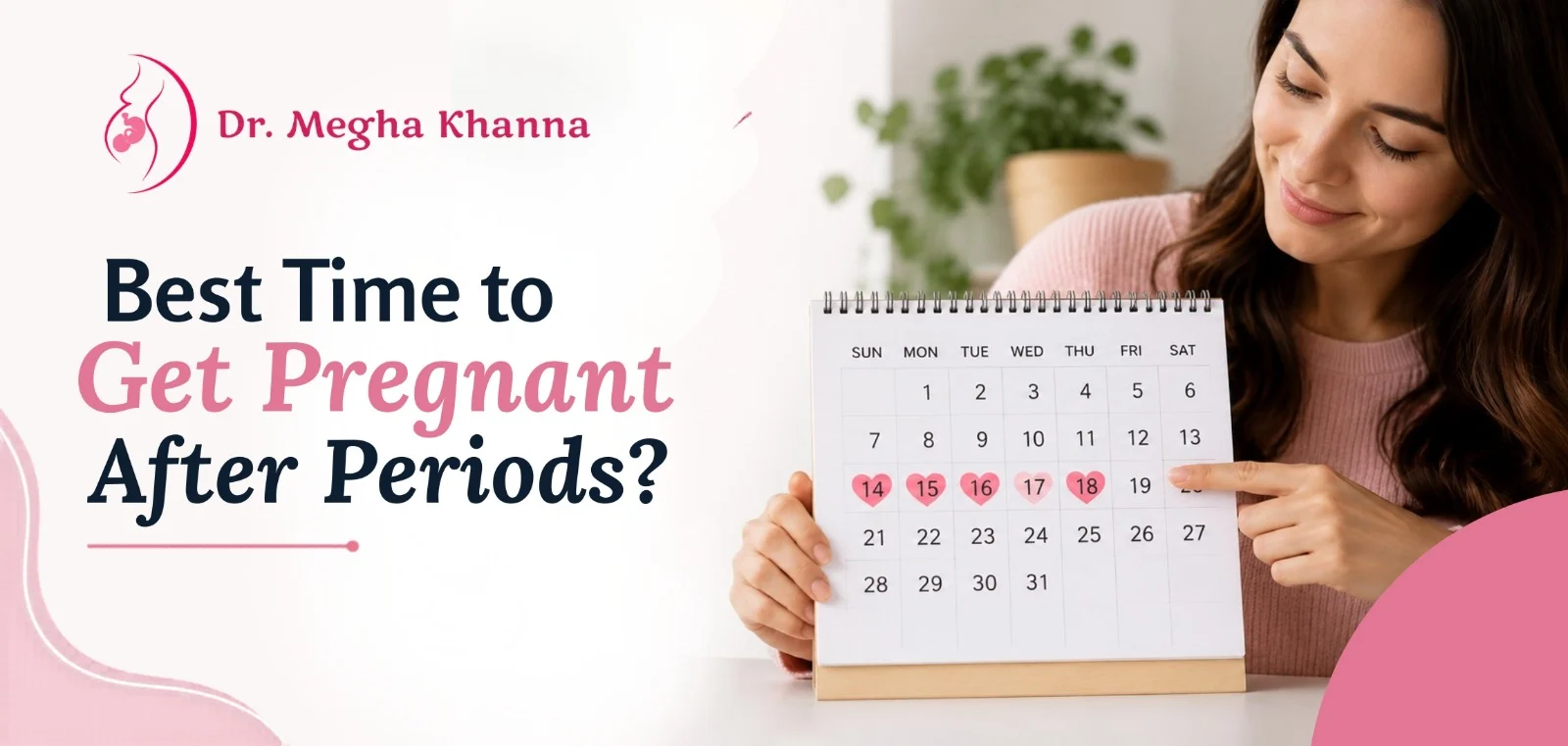
The best time to get pregnant after your period is during ovulation, when the ovary releases an egg. This fertile window usually falls a few days after menstruation ends and offers the highest chance of conception. Knowing your cycle helps you plan pregnancy naturally and confidently.
The best lady gynecologist in Kolkata advises that when is the most fertile time after periods depends on ovulation, cycle length, and hormonal balance, making expert guidance crucial for natural conception.
Understanding fertility timing is easier with guidance from the best lady gynecologist in Kolkata, who explains how ovulation works and why mid-cycle days matter most. Many women ask when is the most fertile time after periods?—the answer lies in tracking cycles, hormonal changes, and overall reproductive health for better conception outcomes.
When Is the Most Fertile Time After Periods?
The most fertile time after periods usually occurs 12–16 days before your next period, counted from the first day of your last menstrual cycle. For women with a 28-day cycle, ovulation often happens around day 14, making days 10–15 the prime fertility window. This is when sperm can survive and successfully fertilize the egg.
Ovulation does not always occur on the same day every month. Stress, lifestyle, weight changes, thyroid issues, and conditions like PCOS can delay or prevent ovulation. That is why consulting the best lady gynecologist in Kolkata is recommended when planning pregnancy.
Ovulation is the biological event where a mature egg is released from the ovary. The egg survives for about 24 hours, while sperm can live inside the female reproductive tract for up to 5 days. This creates a fertile window of nearly 6 days, which is the best time to conceive.
Doctors emphasize that intercourse 2–3 days before ovulation and on the day of ovulation gives the highest success rate. Identifying this window accurately improves conception without medication in many couples.
Women trying to conceive should learn to recognize ovulation signs:
A consultation with the best lady gynecologist in Kolkata helps confirm ovulation through ultrasound follicular tracking or hormone tests.
Not all women have a 28-day cycle. Here’s how fertility timing changes:
So, when is the most fertile time after periods? It varies from woman to woman. Personalized cycle analysis is essential, especially if conception is delayed beyond six months.
Hormones like FSH, LH, estrogen, and progesterone regulate ovulation and implantation. Hormonal imbalance can disrupt ovulation even if periods appear regular. Conditions such as PCOS, thyroid disorders, and high prolactin levels directly affect fertility.
The best lady gynecologist in Kolkata often recommends hormonal profiling before suggesting treatment, ensuring safe and targeted fertility care.
Natural conception depends heavily on lifestyle:
These steps enhance ovulation quality and uterine receptivity, especially during the most fertile time after periods.
Early advice from the best lady gynecologist in Kolkata prevents these mistakes and improves pregnancy success rates.
You should consult a specialist if:
Timely evaluation helps identify the exact fertile window and underlying concerns.
Dr Megha Khanna emphasizes that understanding when the most fertile time after periods is not enough—overall reproductive health matters equally. According to her, combining cycle tracking with medical guidance significantly improves conception chances while reducing anxiety.
She advocates evidence-based fertility planning, minimal medication, and personalized care, especially for first-time mothers and women with irregular cycles.
Choosing the best lady gynecologist in Kolkata ensures expert guidance from pre-conception to confirmed pregnancy, aligning with modern fertility science and patient trust.
The best time to get pregnant after your period is your fertile window around ovulation, but every woman’s body is unique. Understanding your cycle and seeking expert advice from the Obstetrician-Gynecologist in Kolkata, West Bengal makes conception safer, faster, and less stressful.
| Menstrual Cycle Length | Ovulation Day (Approx.) | Best Days to Conceive |
| 21 days | Day 7 | Day 5–8 |
| 24 days | Day 10 | Day 8–11 |
| 28 days | Day 14 | Day 10–15 |
| 30 days | Day 16 | Day 12–17 |
| 32 days | Day 18 | Day 14–19 |
Truth: Fertility depends on timing, health, and consistency.
Q1. When is the best time to conceive after periods?
The best time to conceive after periods is during ovulation, usually between day 10 and day 16 of the menstrual cycle.
Q2. Can I get pregnant immediately after my period ends?
Yes, pregnancy is possible if ovulation occurs early and sperm survives inside the body.
Q3. How many days after periods should I try to conceive?
You should try 3–5 days before ovulation and on the ovulation day for best results.
Q4. Is it possible to get pregnant without ovulation symptoms?
Yes, some women ovulate without noticeable symptoms.
Q5. How do I know my ovulation day accurately?
Ovulation kits, cycle tracking, and ultrasound monitoring help identify ovulation precisely.


