-
Ganesh Talkies, Kolkata
Ganesh Talkies, Kolkata
Hello Reader!
Welcome to the blog page of Dr. Megha Khanna, one of the best lady gynecologist in Kolkata.
Women often experience gynecological issues such as irregular bleeding, heavy menstrual flow, infertility, or recurrent miscarriages without knowing the exact cause behind them. One of the most common reasons for these symptoms is the presence of uterine polyps. Thankfully, modern gynecological procedures like Hysteroscopy Polypectomy offer a safe, minimally invasive, and highly effective solution for diagnosing and removing these polyps.
As a trusted and best lady gynecologist in Kolkata, Dr. Megha Khanna believes that awareness about women’s reproductive health is extremely important. Understanding the procedure, benefits, recovery process, and possible risks of Hysteroscopy Polypectomy can help women make informed healthcare decisions.
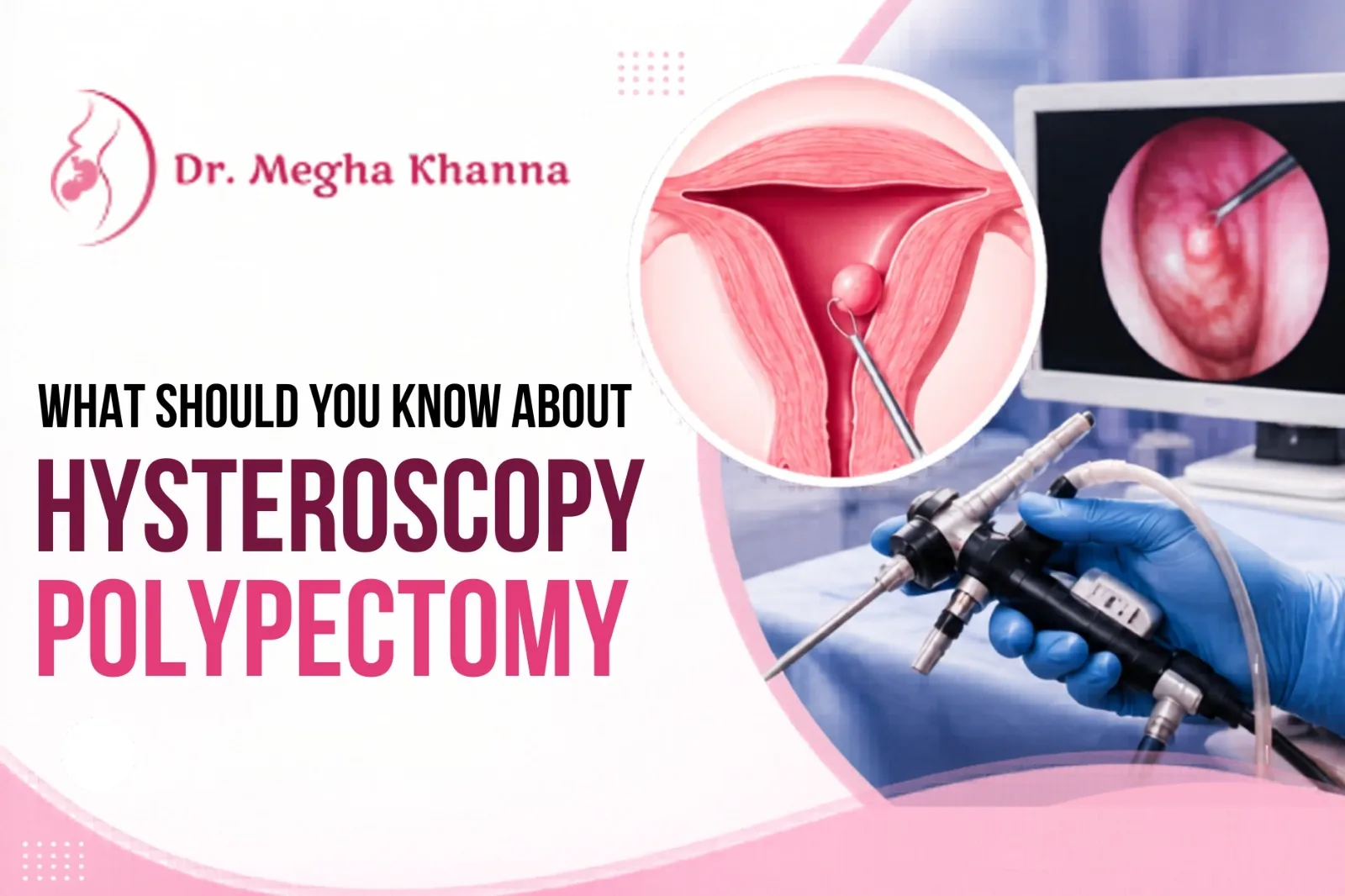
Hysteroscopy Polypectomy is a minimally invasive surgical procedure used to remove uterine polyps from the inner lining of the uterus. The procedure is performed using a hysteroscope, a thin telescope-like instrument equipped with a camera that allows the gynecologist to clearly visualize the uterine cavity.
The procedure not only helps in diagnosing abnormalities but also enables precise removal of polyps without making any external cuts or incisions.
Women seeking treatment from the best lady gynecologist in Kolkata often prefer this procedure because it is safe, effective, and involves quicker recovery compared to traditional surgeries.
Uterine polyps, also called endometrial polyps, are soft overgrowths of tissue attached to the inner wall of the uterus. These polyps can vary in size and may occur singly or in clusters.
Although many uterine polyps are non-cancerous, they can still cause several uncomfortable symptoms and complications if left untreated.
You may require Hysteroscopy Polypectomy if you experience:
Consulting the best lady obstetrician in Kolkata at the right time can help identify these problems early and prevent future complications.
Doctors recommend Hysteroscopy Polypectomy for several important reasons:
1. Accurate Diagnosis
The hysteroscope provides a magnified view of the uterine cavity, helping doctors detect polyps and other abnormalities with precision.
2. Effective Removal of Polyps
The procedure allows direct removal of polyps without affecting surrounding healthy tissue.
3. Improves Fertility
In many women, uterine polyps interfere with implantation and pregnancy. Removing them through Hysteroscopy Polypectomy may improve fertility outcomes.
4. Reduces Abnormal Bleeding
Women suffering from heavy or irregular bleeding often experience significant relief after the procedure.
5. Minimally Invasive Procedure
Unlike open surgeries, this treatment requires no large cuts, resulting in minimal pain and faster healing.
This is why many women trust the best lady Women’s health specialist in Kolkata for expert management of uterine polyps.
The procedure is usually carried out in a hospital or a day-care surgical center.
Step 1: Preparation
The patient may undergo:
Step 2: Anesthesia
Depending on the patient’s condition and the size of the polyp, local, regional, or general anesthesia may be used.
Step 3: Insertion of Hysteroscope
The hysteroscope is gently inserted through the vagina and cervix into the uterus.
Step 4: Visualization
Sterile fluid is introduced into the uterus to improve visibility.
Step 5: Removal of Polyps
Special surgical instruments are used to remove the polyps safely.
Step 6: Laboratory Examination
The removed tissue is usually sent for biopsy to rule out any abnormal or cancerous changes.
Under the care of the best lady gynecologist in Kolkata, the procedure is generally smooth and highly successful.
You may be advised to undergo Hysteroscopy Polypectomy if you:
A thorough consultation with the best lady Reproductive health doctor in Kolkata can help determine whether this procedure is suitable for you.
There are several advantages of this modern procedure:
Minimally Invasive
No external cuts or stitches are required.
Faster Recovery
Most patients can return home the same day.
Less Pain
Compared to traditional surgeries, discomfort is significantly reduced.
Minimal Blood Loss
The procedure involves controlled and precise removal.
Better Fertility Outcomes
Removing polyps can improve chances of conception.
Short Hospital Stay
Many women resume daily activities within a few days.
Because of these benefits, Hysteroscopy Polypectomy has become one of the most preferred gynecological procedures today.
| Complication | Frequency | Details |
|---|---|---|
| Uterine Perforation | Very rare (1–2 in 1,000) |
The hysteroscope may accidentally poke a hole in the uterine wall; may require laparoscopic evaluation. |
| Heavy Bleeding (Hemorrhage) | Rare | May require blood transfusion or additional surgery to control bleeding. |
| Infection | Uncommon | Can occur if bacteria enter the surgical site; usually treated with antibiotics. |
| Incomplete Polyp Removal | Rare | May require a repeat hysteroscopic procedure. |
| Fluid Overload | Very rare | Excess fluid used during the procedure may be absorbed; monitored carefully during surgery. |
| Anesthesia Complications | Rare |
Nausea, headache, dizziness, sore throat, or vomiting after anesthesia; severe reactions (stroke, heart attack) are extremely rare. |
The typical recovery time after a hysteroscopy depends on whether it’s diagnostic (just an examination) or operative (with treatment like polyp removal):
Diagnostic Hysteroscopy
Most women resume regular activities within 24 hours
Light cramping or spotting may last 24–48 hours
Usually 1–2 days
Typically 2 weeks
Can last 7–10 days (sometimes up to 2 weeks)
Sexual intercourse, swimming, douching, and tampon use to prevent infection
Hysteroscopy Polypectomy is a highly advanced, safe, and effective procedure for diagnosing and treating uterine polyps. It offers women relief from abnormal bleeding, improves fertility, and helps maintain overall uterine health with minimal discomfort and downtime.
If you are experiencing symptoms related to uterine polyps or fertility concerns, consulting the best lady gynecologist in Kolkata can help you receive proper diagnosis and personalized treatment.
Dr. Megha Khanna, recognized as one of the best Obstetrician-Gynecologist in Kolkata, West Bengal, provides expert care with compassion, advanced technology, and patient-focused treatment for women’s reproductive health issues.
1.What is Hysteroscopy Polypectomy?
Hysteroscopy Polypectomy is a minimally invasive procedure used to detect and remove uterine polyps using a thin camera-like instrument called a hysteroscope.
2. Is Hysteroscopy Polypectomy painful?
The procedure is usually performed under anesthesia, so patients experience minimal discomfort. Mild cramping or light bleeding may occur after the treatment.
3. How long does recovery take after Hysteroscopy Polypectomy?
Most women recover within a few days and can return to normal activities quickly, depending on their overall health and doctor’s advice.
4. Can Hysteroscopy Polypectomy improve fertility?
Yes, removing uterine polyps through Hysteroscopy Polypectomy may improve fertility and increase the chances of successful pregnancy in some women.
5. Is Hysteroscopy Polypectomy a safe procedure?
Yes, it is considered a safe and effective procedure when performed by an experienced specialist such as the best lady gynecologist in Kolkata.


