-
Ganesh Talkies, Kolkata
Ganesh Talkies, Kolkata
Hello Reader!
Welcome to the blog page of Dr. Megha Khanna, one of the best lady gynecologist in Kolkata.
Uterine fibroids are one of the most common gynecological conditions affecting women of reproductive age. While many fibroids remain asymptomatic, some can lead to heavy menstrual bleeding, pelvic pain, pressure symptoms, infertility, or recurrent pregnancy loss. With advancements in medical technology, laparoscopy for fibroid removal has emerged as a highly effective and minimally invasive treatment option. As a gynecologist, I often counsel patients on whether this procedure is right for them and how it compares to traditional surgery.
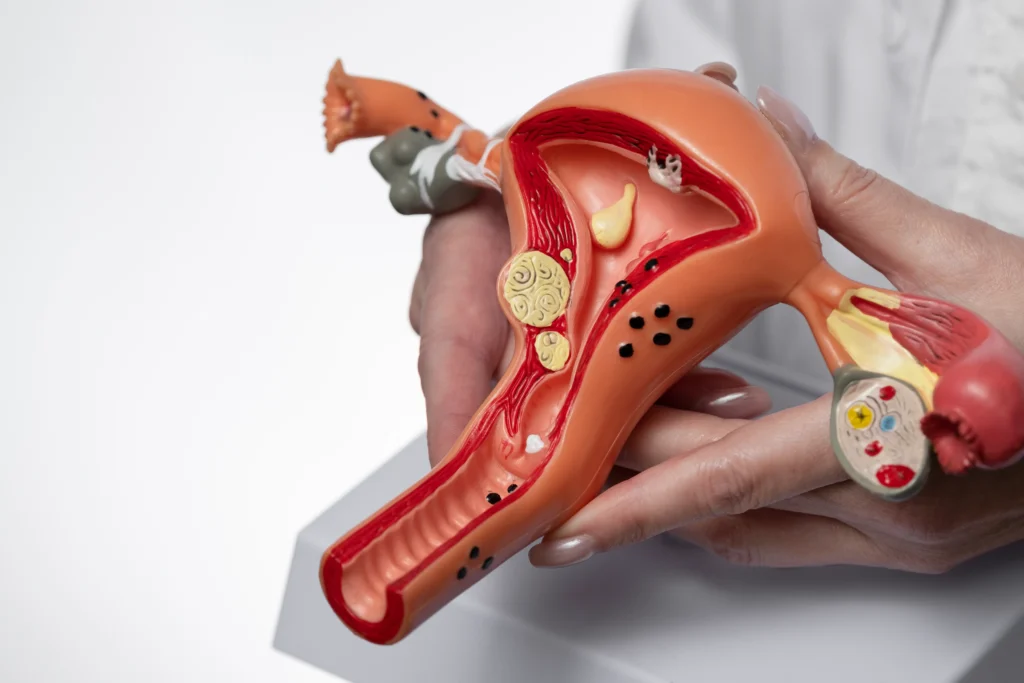
Fibroids, also known as leiomyomas, are non-cancerous growths that develop from the muscular wall of the uterus. They vary in size, number, and location—subserosal, intramural, or submucosal. The impact of fibroids on a woman’s health largely depends on these factors.
Common symptoms include:
When symptoms start affecting quality of life, surgical intervention may be recommended.
Laparoscopy for fibroid removal, also known as laparoscopic myomectomy, is a minimally invasive surgical procedure where fibroids are removed through small incisions in the abdomen using a laparoscope (a thin camera-equipped instrument). This approach allows the surgeon to precisely remove fibroids while preserving the uterus, making it an ideal choice for women who wish to maintain fertility.
One of the biggest advantages of laparoscopy for fibroid removal is that it involves very small incisions compared to open surgery. This results in less postoperative pain, minimal scarring, and a significantly faster recovery. Most patients can return to normal activities within 1–2 weeks.
Laparoscopic techniques allow better visualization and precision, which helps in minimizing blood loss during surgery. This reduces the need for blood transfusions and lowers surgical risks.
For women planning future pregnancies, laparoscopy for fibroid removal is especially beneficial as it preserves the uterus and improves reproductive outcomes. Many women experience improved fertility after fibroid removal.
Patients undergoing laparoscopic surgery typically require only a short hospital stay—often just 24 to 48 hours—making it more convenient and cost-effective in the long run.
Compared to open surgery, laparoscopy carries a lower risk of infection, adhesions, and postoperative complications when performed by an experienced surgeon.
Not all fibroids require surgery, and not every case is suitable for laparoscopy. Ideal candidates usually include women who:
A thorough evaluation, including ultrasound or MRI, helps determine whether laparoscopy for fibroid removal is the right option.
While open myomectomy may still be required for very large or multiple fibroids, laparoscopy offers clear advantages in terms of recovery, cosmetic outcome, and patient comfort. Choosing the right surgical approach should always be individualized and discussed in detail with your gynecologist.
The success of laparoscopy for fibroid removal largely depends on the surgeon’s expertise. Precision, experience, and proper case selection are critical for optimal outcomes. Consulting the best lady gynecologist in Kolkata ensures accurate diagnosis, personalized treatment planning, and safe surgical care using advanced techniques.
Pre-operative preparation for laparoscopy for fibroid removal is crucial to minimize risks, optimize hemoglobin levels, and shrink fibroids for easier excision. Patients work closely with the best lady gynecologist in Kolkata to ensure safety and smooth surgery. This phase typically spans 4-8 weeks prior, focusing on medical optimization and lifestyle adjustments.
Correct anemia from heavy bleeding with iron supplements (e.g., ferrous sulfate 325 mg daily) and vitamins to build red blood cell counts, often starting 4-6 weeks before. Hormonal therapies like GnRH agonists (leuprolide) or birth control pills reduce menstrual flow, shrinking fibroids by 30-50% and facilitating laparoscopy for fibroid removal. The best lady gynecologist in Kolkata monitors via blood tests to target hemoglobin >11 g/dL.
Intra-op agents like dilute vasopressin injection ensure hemostasis, injected into the myometrium 20 minutes before incision.
Quit smoking and alcohol 4 weeks prior to enhance healing and reduce lung complications; use nicotine patches if needed. Maintain a nutrient-rich diet, stay hydrated, and manage comorbidities like diabetes. Bowel prep (e.g., laxatives) may be required the night before for better visualization.

Robot-assisted laparoscopy offers enhanced precision for fibroid removal compared to standard laparoscopy, ideal for complex cases handled by the best lady gynecologist in Kolkata. While both are minimally invasive, robotic systems provide 3D visualization and articulated instruments, reducing surgeon fatigue during laparoscopy for fibroid removal. Standard laparoscopy remains faster and more cost-effective for straightforward procedures.
Robot-assisted uses a console where the surgeon controls robotic arms with tremor-filtered, multi-jointed tools for superior dexterity in deep pelvic spaces. Standard laparoscopy relies on direct hand-held instruments through 5-10 mm ports, demanding high manual skill but allowing quicker setup. The best lady gynecologist in Kolkata selects based on fibroid complexity, favoring robotics for multiple or intramural types.
Enhanced ergonomics and visualization enable precise suturing, minimizing adhesions and preserving fertility during laparoscopy for fibroid removal. Ideal for obese patients or prior surgeries, with studies showing better outcomes than open surgery and edges over standard laparoscopy. The best lady gynecologist in Kolkata leverages this for optimal uterine reconstruction.
Opt for standard when fibroids are small (<6 cm), single, or subserosal, as it matches robotics in safety with lower costs and no robot availability needed. Both preserve the uterus effectively, but robotics shines in high-volume centers.
Higher robotic costs (2-3x) are offset by reduced readmissions; insurance coverage varies. The best lady gynecologist in Kolkata assesses surgeon expertise—robotics requires specialized training for laparoscopy for fibroid removal success. Both yield 80-90% symptom relief with fertility preservation.
Also Read: How Is Epidural Delivery Better Than Normal Delivery?
Laparoscopic myomectomy effectively treats uterine fibroids but carries a notable risk of recurrence, with rates varying by patient factors and follow-up duration. Long-term results show 80-90% symptom relief persisting for 5-10 years in most cases, though regular monitoring is essential post-surgery. The best lady gynecologist in Kolkata guides patients on surveillance to manage laparoscopy for fibroid removal outcomes optimally.
Cumulative recurrence after laparoscopy for fibroid removal ranges from 5-15% at 1-2 years, 20-40% at 5 years, and up to 50-75% at 8-10 years, often asymptomatic and detected via ultrasound. These figures are comparable to open myomectomy, with laparoscopic approaches sometimes showing slightly higher rates due to challenges in removing all microscopic fibroids. Factors like age under 40 and multiple fibroids elevate risk to 30-60%.
The best lady gynecologist in Kolkata uses these to stratify patients during laparoscopy for fibroid removal planning.
At 5 years, 70-85% of patients report sustained relief from heavy bleeding and pain, with fertility rates improving by 50-60% in those trying to conceive. Reoperation occurs in 10-20% over a decade, lower than hysterectomy needs. Uterine preservation supports future pregnancies, with rupture risk <1% if cesarean delivery follows.
Annual pelvic exams and ultrasounds for 5 years detect early regrowth; MRI for high-risk cases. Lifestyle measures (weight control, hormone balance) and adjunct therapies like ulipristal reduce recurrence by 20-30%. The best lady gynecologist in Kolkata recommends tailored follow-up after laparoscopy for fibroid removal to ensure long-term success and timely intervention.
Laparoscopic myomectomy significantly boosts fertility for women with fibroids, with postoperative pregnancy rates ranging from 44-62% across studies, often matching or exceeding open surgery outcomes. Live birth rates reach 50-60%, with 80% of conceptions occurring within the first year post-surgery, making it a top choice for fertility preservation during laparoscopy for fibroid removal. The best lady gynecologist in Kolkata tailors this for infertile patients seeking optimal reproductive results.
Women undergoing laparoscopy for fibroid removal see conception rates of 45-62%, with cohorts reporting 52-65% success in unexplained infertility cases previously linked to fibroids. Submucosal and intramural fibroids respond best, yielding 41-55% pregnancies within one year, enhanced by ovulation induction post-op. Factors like age under 35 and fibroid size 3-6 cm predict higher rates, up to 77% in select groups.
Full-term deliveries dominate, with 70-80% of pregnancies resulting in live births via cesarean (60-70%) or vaginal routes (30-40%), and uterine rupture risk under 1% with proper suturing. Miscarriage rates drop post-surgery, and fertility restoration is comparable across laparoscopic routes. The best lady gynecologist in Kolkata ensures meticulous closure to support safe pregnancies after laparoscopy for fibroid removal.
Sustained fertility persists 5+ years, with no difference versus abdominal myomectomy in RCTs, affirming laparoscopy for fibroid removal as effective for conception. The best lady gynecologist in Kolkata integrates IVF if needed, combining with monitoring for placental issues (higher with multiple fibroids) to maximize live births.

Laparoscopy for fibroid removal is a minimally invasive surgery that removes uterine fibroids through small abdominal incisions while preserving the uterus.
Yes, laparoscopy is highly effective for selected cases, offering precise fibroid removal with faster recovery and fewer complications.
Most patients recover within 1–2 weeks and can return to normal activities much earlier than with open surgery.
Yes, removing fibroids through laparoscopy can improve fertility outcomes, especially in women planning future pregnancies.
Laparoscopy is safe for many fibroids, but very large or multiple fibroids may require alternative surgical approaches based on individual evaluation.
Laparoscopy has revolutionized the way fibroids are treated today. For the right patient, laparoscopy for fibroid removal is a safe, effective, and fertility-preserving option that offers faster recovery and excellent long-term results. If you are experiencing fibroid-related symptoms or facing fertility challenges, a timely consultation is key.
As the best lady gynecologist in Kolkata, me Dr. Megha Khanna’s goal is to provide compassionate, evidence-based care and guide women toward the most suitable treatment options for their reproductive health and overall well-being.


